Top 10 Benefits of Bubble Disc Diffuser for Efficient Aeration
In the realm of efficient aeration, the Bubble Disc Diffuser stands out as a revolutionary tool. This technology enhances water treatment processes in various industries, including aquaculture and wastewater management. With its unique design, the Bubble Disc Diffuser ensures optimal oxygen transfer rates. As a result, it can improve the health of aquatic life and boost operational efficiency.
Understanding the benefits of the Bubble Disc Diffuser is crucial for anyone involved in these fields. Its ability to create fine bubbles allows for a larger surface area for oxygen exchange. This leads to reduced energy costs and better performance overall. Additionally, users often notice a decrease in maintenance issues thanks to its robust construction.
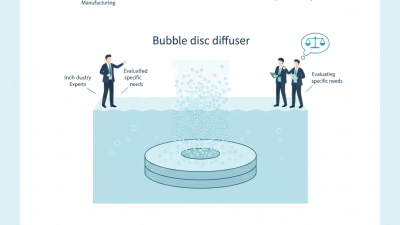
However, it’s essential to consider factors like installation and compatibility with existing systems. Not every environment is ideal for a Bubble Disc Diffuser. Users must evaluate their specific needs before making a decision. With a knowledgeable approach, the advantages of this technology can be fully realized, promoting sustainable practices in aeration systems.
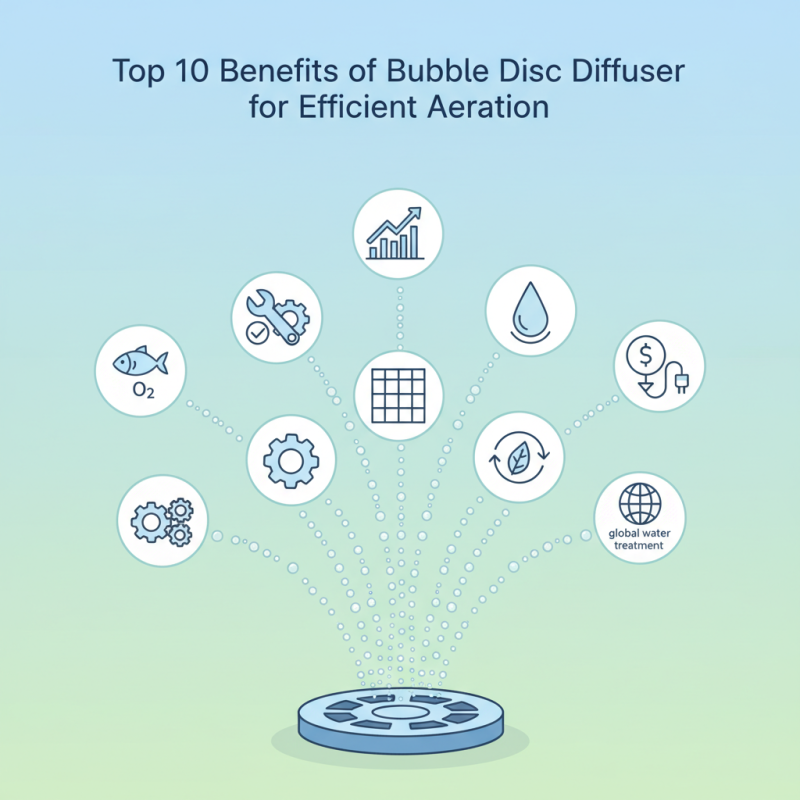
Benefits of Bubble Disc Diffuser in Aeration Systems
Bubble disc diffusers are becoming essential for effective aeration in various systems. They provide numerous advantages that enhance efficiency. One key benefit is their ability to produce fine bubbles. These bubbles have a greater surface area, which allows for better oxygen transfer. This leads to improved water quality and healthier aquatic life.
Another significant aspect is their energy efficiency. Bubble disc diffusers can operate at lower pressure compared to traditional diffusers. This characteristic helps reduce energy consumption. Consequently, it can lead to substantial cost savings over time. In wastewater treatment, the efficient transfer of oxygen minimizes the need for additional aeration equipment, streamlining operations.
However, it's important to consider maintenance needs. Bubble disc diffusers may experience fouling or clogging over time. Regular cleaning and inspection are necessary to maintain their performance. Additionally, understanding the specific requirements of your aeration system is crucial. This helps in selecting the right diffuser setup. Evaluating these factors will ensure optimal performance and longevity.
Top 10 Benefits of Bubble Disc Diffuser for Efficient Aeration
| Benefit |
Description |
| High Oxygen Transfer Efficiency |
Bubble disc diffusers provide a large surface area for oxygen transfer, improving the aeration process in water treatment. |
| Energy Saving |
They require less energy to operate compared to other aeration methods, leading to reduced operational costs. |
| Consistent Aeration |
These diffusers provide uniform air distribution and consistent performance across the system. |
| Durability |
Made from robust materials, bubble disc diffusers are resistant to wear and can last for many years with minimal maintenance. |
| Low Maintenance |
Once installed, these diffusers require little upkeep, saving time and resources for operators. |
| Easy Installation |
Bubble disc diffusers are straightforward to install, allowing for quick deployment and commissioning in aeration systems. |
| Versatility |
They can be used in various applications such as municipal wastewater treatment, aquaculture, and industrial processes. |
| Reduced Sludge Production |
Efficient aeration results in lower sludge volume, which can enhance the overall treatment process. |
| Enhanced Biological Activity |
Promotes the growth of aerobic bacteria, leading to improved decomposition of organic matter in treatment systems. |
| Scalability |
They can be easily scaled up or down to match the specific aeration needs of various projects. |
Enhanced Oxygen Transfer Efficiency Using Bubble Disc Diffusers
Bubble disc diffusers are increasingly recognized for their role in enhancing oxygen transfer efficiency. According to a recent industry report, these devices can improve oxygen transfer rates (OTR) by up to 30% compared to traditional diffusers. The unique design of bubble discs allows for finer bubbles, which provides a greater surface area for oxygen transfer. This leads to more efficient aeration in wastewater treatment facilities and aquaculture systems.
Efficiency is critical in various industries. The ability to effectively diffuse air not only enhances oxygen levels but also reduces energy consumption. Research indicates that facilities using bubble disc diffusers can achieve energy savings of up to 25%. This optimization is essential as energy costs continue to rise. Nevertheless, operators must periodically assess their diffuser performance to avoid issues such as clogging and uneven distribution.
In practice, the installation of bubble disc diffusers has limitations. Factors like system maintenance and water quality can influence their efficiency. The initial investment may also be a concern for some facilities. Despite these challenges, the benefits are clear. Enhanced oxygen transfer contributes to overall system performance and environmental sustainability, making bubble disc diffusers a worthwhile consideration for modern aeration systems.
Reduction of Energy Consumption with Bubble Disc Diffuser Technology
Bubble disc diffusers are changing the game in aeration technology. Their design allows for improved efficiency in delivering oxygen to aquatic environments. This leads to better water quality and healthier ecosystems. A key advantage is their ability to significantly reduce energy consumption. Traditional aeration methods often waste energy through inefficient gas dispersion. In contrast, bubble disc diffusers create smaller bubbles that rise slowly, enhancing oxygen transfer while using less energy.
Studies show that using bubble disc diffusers can lower operational costs. By minimizing energy usage, facilities can save on electricity bills while maintaining output. A facility that optimizes energy consumption can also reduce its carbon footprint. This is critical in today’s environment-focused world. However, some facilities might hesitate to adopt this technology due to initial installation costs. It’s essential to weigh these initial expenses against long-term savings and benefits.
Implementing bubble disc diffusers may seem daunting. Careful planning and consideration of system design can lead to success. Regular maintenance and monitoring are also necessary to ensure they operate at peak efficiency. Facilities must stay informed about operational best practices to fully realize the benefits. It’s a learning curve, but the potential for reduced energy consumption makes the effort worthwhile.
Improved Water Quality Through Effective Aeration Techniques
Bubble disc diffusers have gained recognition for their effectiveness in aeration, directly influencing water quality. These diffusers create fine bubbles, increasing oxygen transfer rates to water bodies. This process enhances the overall health of aquatic ecosystems. As oxygen levels rise, beneficial bacteria thrive. They help break down organic matter, leading to cleaner and clearer water.
Consider optimizing your aeration system by checking your diffuser regularly. Proper maintenance ensures efficiency. Replace worn-out parts promptly to prevent inefficiency.
When using bubble disc diffusers, be mindful of the depth of your installation. Deeper placements can enhance oxygen distribution. However, they may require more power. Balancing depth and energy cost is essential. Also, observe the effects on your water quality over time. Regular monitoring will help you adjust your aeration techniques effectively.
Cost-Effectiveness and Longevity of Bubble Disc Diffusers in Operations
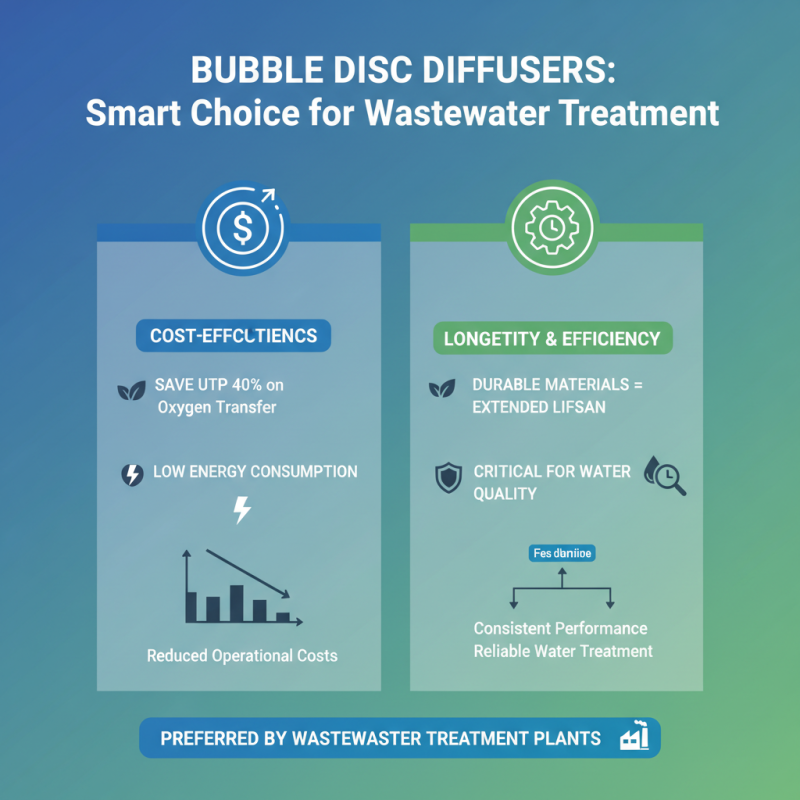
Bubble disc diffusers have gained popularity due to their cost-effectiveness and durability. A study from the Water Environment Federation states that these diffusers can reduce oxygen transfer costs by up to 40%. Their low energy consumption adds to their appeal, making them a preferred choice for wastewater treatment plants. The operational efficiency of these devices is critical in maintaining the quality of treated water.
Longevity is another significant advantage of bubble disc diffusers. They are known to last over ten years with minimal maintenance. A report from the Environmental Protection Agency highlights that proper installation can further extend their lifespan, preventing frequent replacements. However, improper maintenance can lead to reduced performance over time. Regular inspections are necessary to avoid problems, which can negate their cost-effectiveness.
While bubble disc diffusers are efficient, their effectiveness can diminish without proper care. Operators must remain vigilant to ensure optimal performance. Their reliability can be impacted by factors such as clogging or fouling. Addressing these issues promptly is essential. Despite their strengths, facilities should consider a balance between initial investment and long-term benefits before implementation.

 +86 13600513715
 CONTACT NUMBER
 CONTACT NUMBER