Why Use a Biofilter for Water Treatment Benefits Explained?
Water quality is crucial for our health and environment. One effective solution is a biofilter for water treatment. These biofilters use natural processes to remove contaminants. They rely on microorganisms to digest organic material. This method offers a sustainable approach to water cleaning.
Implementing biofilters can significantly reduce harmful pollutants. They can improve the quality of wastewater before releasing it into natural bodies. However, not all biofilters are equally effective. Factors like design and maintenance play vital roles. It's important to regularly monitor their performance.
Biofilters for water treatment also face challenges. They require specific conditions to thrive. In colder climates, microbial activity may slow down. This can limit their efficiency. Understanding these limitations is key to maximizing their benefits. We must continue exploring better designs and applications for optimal results.
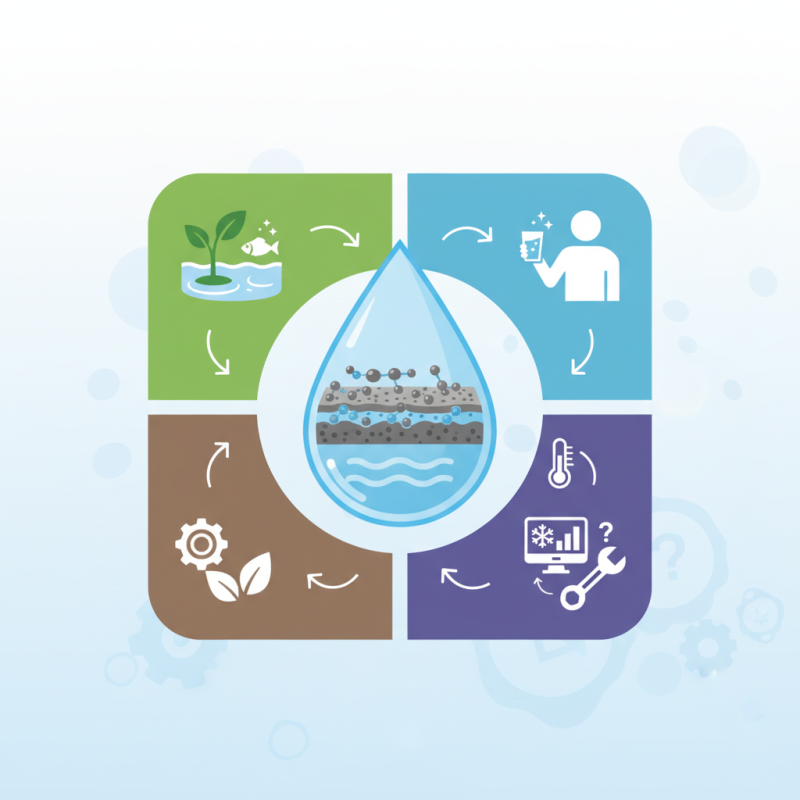
Understanding Biofilters: Definition and Function in Water Treatment
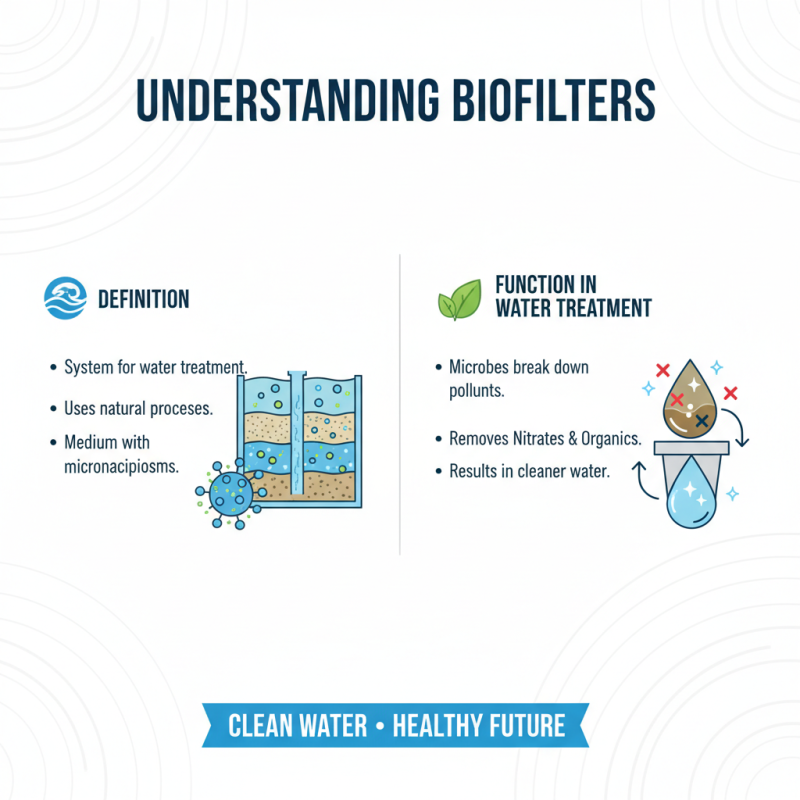
Biofilters are innovative systems designed for water treatment. They utilize natural processes to remove contaminants. Essentially, a biofilter consists of a medium where microorganisms thrive. These microorganisms break down pollutants, making water cleaner. They target harmful substances like nitrates and organics effectively.
Understanding how biofilters function can reveal their added value. Water flows through the biofilter, interacting with the microbial community. The microorganisms metabolize the pollutants, converting them into harmless substances. It's a practical and sustainable approach. However, the efficiency can vary based on factors like temperature and pH levels.
While biofilters are beneficial, they are not without challenges. Maintaining optimal conditions is crucial for effective treatment. If not regularly monitored, the system may underperform. Some might think biofilters are a one-size-fits-all solution, but that’s misleading. Each application requires careful consideration of specific needs and conditions.
The Role of Microorganisms in Biofiltration Processes
Microorganisms play a crucial role in biofiltration, effectively treating wastewater and enhancing water quality. These tiny organisms break down organic pollutants, making them essential in the bioremediation process. According to a report by the World Health Organization, more than 80% of wastewater is released untreated, highlighting the urgent need for efficient treatment methods like biofiltration.
Biofilters utilize a diverse community of bacteria, fungi, and protozoa, which work together to digest harmful substances. Studies show that biofiltration can reduce nitrogen levels by up to 80%, significantly improving water quality. However, not all microorganisms thrive in every condition. Some may die off due to environmental changes, impacting the overall efficiency of the biofilter.
Tips: Regular monitoring of pH levels can help maintain a healthy microbial population. Introducing new microorganisms can also enhance treatment processes. However, it’s important to ensure that these new additions are compatible with existing cultures.
Key Benefits of Using Biofilters in Water Treatment Systems
Biofilters have gained popularity for water treatment systems. These systems utilize natural processes to clean water. Their effectiveness stems from beneficial microorganisms. These tiny organisms break down contaminants efficiently. This biological method is often more eco-friendly than chemical treatments.
One key benefit is sustainability. Biofilters use natural materials, reducing reliance on synthetic chemicals. They can significantly lower operational costs over time. Moreover, biofilters also enhance water quality by removing nutrients and pathogens. It’s impressive how well they can reduce pollutants.
However, biofilters aren't without challenges. They require regular maintenance to function effectively. Inconsistent flow rates can undermine their efficiency. Understanding these factors is crucial for optimal performance. It's worth considering how biofilters can fit your water treatment needs.
Comparative Analysis: Biofilters vs. Traditional Water Treatment Methods
Biofilters have gained traction in water treatment systems, offering a sustainable alternative to traditional methods. Unlike chemical treatments that often leave residuals, biofilters utilize natural processes for purification. Research shows that biofilters can reduce contaminants by up to 90%, effectively improving water quality. This method is particularly beneficial for organic pollutant removal, where standard systems fall short.
Traditional methods, such as chlorination, have serious drawbacks. They can create harmful byproducts and often require extensive infrastructure. A report by the Environmental Protection Agency highlights that chlorination can lead to trihalomethanes, which are linked to health risks. Furthermore, many conventional systems are energy-intensive, raising operational costs.
Biofilters come with challenges of their own. They require regular maintenance and may be less effective in extreme conditions. Also, the initial setup can be complex and costly. Despite these shortcomings, the long-term benefits often outweigh the drawbacks. Reduced chemical use means safer water and a smaller ecological footprint. It’s vital to weigh these factors when considering water treatment options.
Why Use a Biofilter for Water Treatment Benefits Explained? - Comparative Analysis: Biofilters vs. Traditional Water Treatment Methods
| Criteria |
Biofilters |
Traditional Methods |
| Removal Efficiency |
High (up to 90% for certain contaminants) |
Moderate (60-80%) |
| Operating Costs |
Lower compared to traditional methods |
Higher due to chemical and energy costs |
| Sustainability |
Eco-friendly; uses natural processes |
Often relies on chemicals and energy |
| Maintenance |
Requires regular monitoring and occasional media replacement |
Regular chemical handling and equipment maintenance |
| Land Requirements |
Requires less space than traditional systems |
Larger footprint for treatment plants |
Applications of Biofilters in Various Water Treatment Scenarios
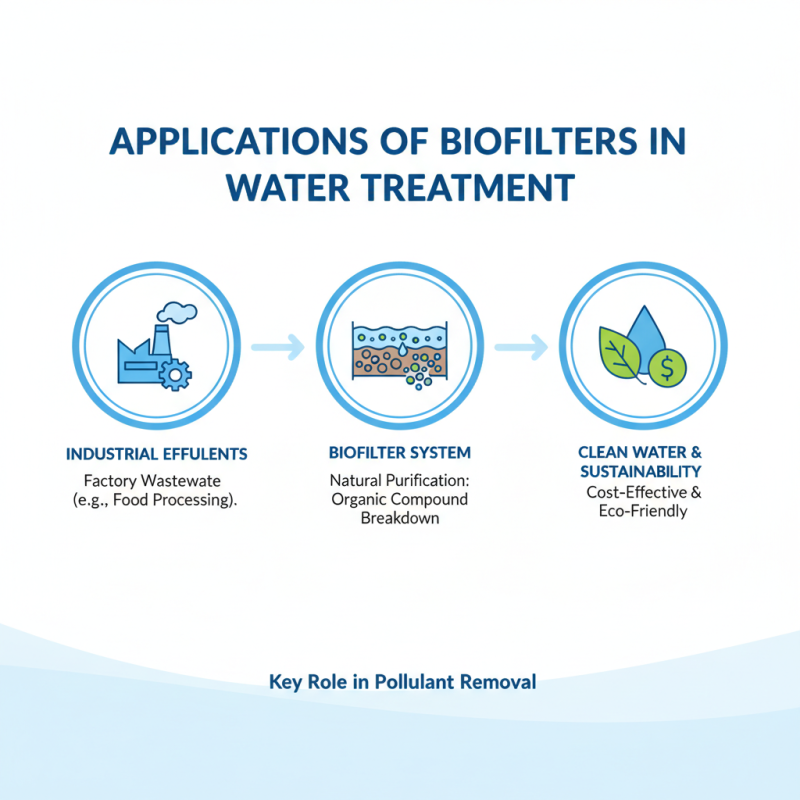
Biofilters play a vital role in various water treatment scenarios. They utilize natural processes to remove contaminants. This system can effectively handle pollutants in industrial effluents. For instance, biofilters treat wastewater from food processing plants. They break down organic compounds efficiently. Many industries find this method both cost-effective and sustainable.
In residential applications, biofilters enhance greywater treatment. They can naturally filter water from sinks and showers. Often, these systems are easy to install. They require minimal maintenance, making them attractive to homeowners. However, the performance can vary based on environmental conditions. Some users report inconsistent results, indicating a need for better monitoring.
Aquaculture is another area where biofilters shine. They maintain water quality in fish farming. Pathogens are removed, and nutrients are balanced. This encourages a healthier fish population. Nonetheless, the complexity of managing these systems can frustrate farmers. Continuous adjustments are necessary to avoid problems. Overall, biofilters present promising solutions in diverse settings, though challenges remain.

 +86 13600513715
 CONTACT NUMBER
 CONTACT NUMBER