China Best Disc Diffuser Aerator for Enhanced Aquaculture Performance?
Aquaculture is a rapidly growing industry in China, demanding innovative solutions for improved productivity and efficiency. One such solution is the Disc Diffuser Aerator, a key tool in enhancing oxygen distribution in aquaculture systems. These devices can drastically improve water quality, fostering a healthier environment for aquatic species.
The effectiveness of Disc Diffuser Aerators relies on their design, which allows for uniform air distribution. This technology is backed by extensive research, highlighting its benefits in various aquaculture practices. However, there is a need to explore both the advantages and limitations of these systems.
Investing in high-quality Diffuser Aerators is essential. Yet, some users report installation challenges. Optimal placement and maintenance can also impact performance. As aquaculture continues to evolve, ongoing evaluation of these tools is crucial to ensure they meet the industry's standards.
China's Leading Disc Diffuser Aerators: An Overview of Technology
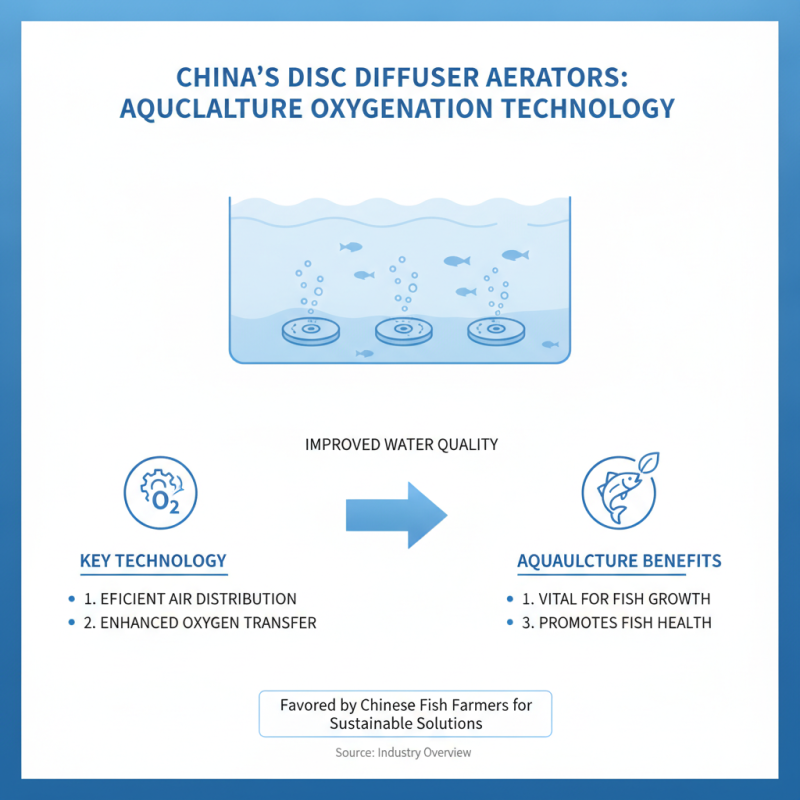
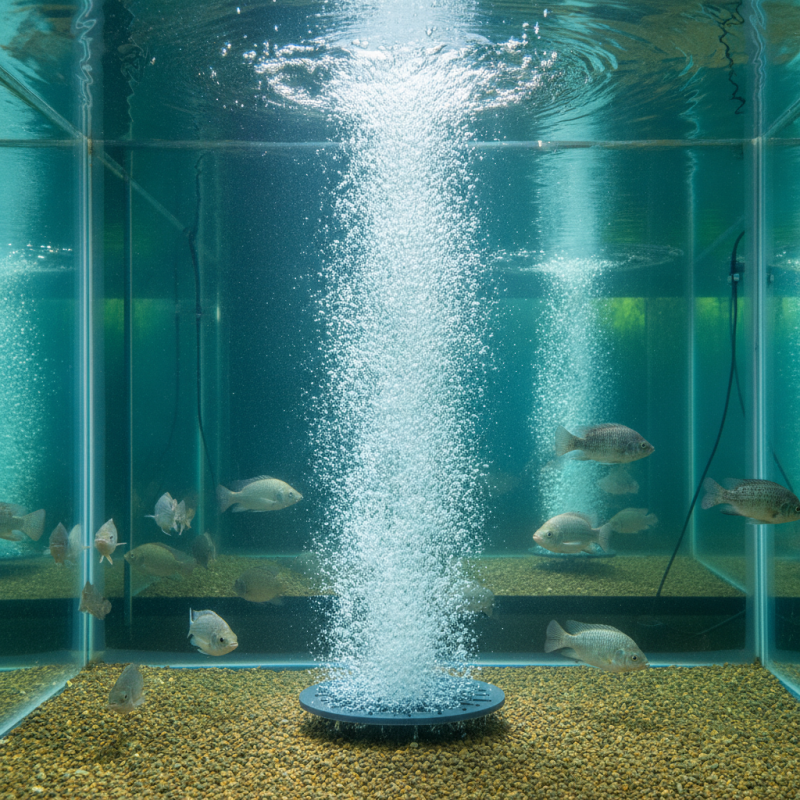
In the realm of aquaculture, the role of oxygenation is crucial. Disc diffuser aerators have emerged as a favored technology in China for enhancing water quality. These devices effectively distribute air beneath the water's surface, promoting oxygen transfer. In aquaculture systems, dissolved oxygen is vital for fish growth and health. This method has seen increased adoption among fish farmers seeking efficient solutions.
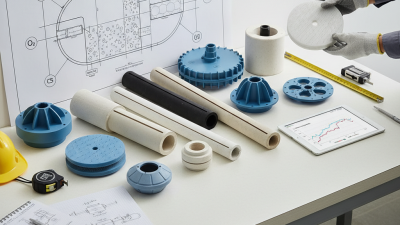
The technology behind disc diffusers has evolved significantly. Made with durable materials, these aerators withstand harsh conditions. They feature design innovations that maximize bubble distribution, ensuring uniform oxygen levels throughout the water column. This efficiency not only benefits aquaculture but also reduces energy costs. Despite the advancements, some users report maintenance challenges. Ensuring clean and operational diffusers is key to maximizing their benefits.
While disc diffusers show promise, they are not without flaws. Users may encounter issues like clogging, particularly in muddy waters. Regular inspection and maintenance are necessary to address these problems. It’s essential for aquaculture professionals to stay informed about technology updates and best practices. Enhancing performance through innovative tools requires ongoing learning and adaptation.
The Role of Aeration in Aquaculture: Boosting Oxygen Levels and Stock Growth
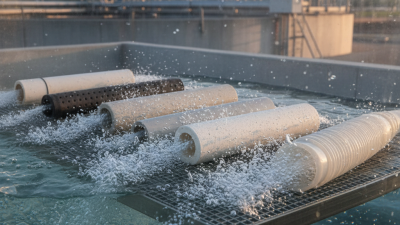
Aeration plays a critical role in aquaculture, significantly enhancing oxygen levels in water bodies. Aquatic species require oxygen for optimal growth. Studies show that proper aeration can increase fish growth rates by 20% to 30%. It effectively reduces stress levels in fish, leading to healthier stock. High-density farming often leads to oxygen depletion, making aeration systems essential.
In addition, a recent report highlights that dissolved oxygen levels below 5 mg/L can severely impact fish health. Implementing disc diffuser aerators can improve oxygen distribution and help maintain stable levels. These systems effectively aerate large volumes of water, ensuring all aquatic species receive adequate oxygen.
Moreover, in environments with fluctuating conditions, effective aeration can enhance water quality. It aids in the decomposition of organic materials, reducing harmful toxins. However, not all aeration systems perform equally. Some may require improvement over time to maintain efficiency. Monitoring performance regularly is essential to ensure they meet the demands of the aquaculture environment.
Impact of Aeration on Aquaculture Performance
Performance Metrics: Evaluating the Efficiency of Disc Diffuser Aerators
The efficiency of disc diffuser aerators is critical in aquaculture. Recent studies indicate that these systems can improve oxygen transfer rates by up to 30%. This substantial increase directly enhances fish growth and survival rates. In controlled environments, optimal oxygen levels often reach 6-8 mg/L, a benchmark crucial for various species, from tilapia to shrimp.
However, not all diffuser designs perform equally. The oxygen transfer efficiency (OTE) can vary significantly depending on bubble size and diffuser material. Data suggests that diffusers producing smaller bubbles yield better OTE, often exceeding 50%. In contrast, larger bubbles may only achieve 25% efficiency in oxygen transfer. This variance highlights the importance of selecting the right equipment based on specific aquaculture goals.
Moreover, maintenance plays a significant role in performance metrics. A buildup of organic matter can reduce efficiency by nearly 40%. Regular inspections and cleaning of diffusers are necessary to maintain optimal functionality. Studies also point out that even minor adjustments in aeration settings can lead to significant performance changes. Evaluating these metrics is essential for achieving desired aquaculture outcomes.
China Best Disc Diffuser Aerator for Enhanced Aquaculture Performance
| Parameter |
Value |
Measurement Unit |
| Diameter of Disc |
30 |
cm |
| Airflow Rate |
2.5 |
m³/h |
| Oxygen Transfer Efficiency |
35 |
g/kWh |
| Depth of Installation |
2.5 |
m |
| Operating Pressure |
0.5 |
bar |
| Power Consumption |
1.5 |
kW |
| Expected Lifespan |
15 |
years |
Case Studies: Successful Implementation in Chinese Aquaculture Facilities
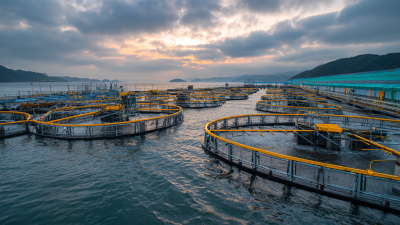
Aquaculture in China has seen remarkable advancements, particularly with the introduction of disc diffuser aerators. These devices enhance oxygen levels in water, vital for healthy fish and shrimp farming. Research shows that optimal oxygen levels can increase growth rates by 30% and reduce mortality rates significantly. Case studies from various Chinese aquaculture facilities illustrate these benefits.
In one facility, the implementation of disc diffusers resulted in a 25% increase in overall productivity within six months. Another facility reported reduced feed conversion ratios, leading to lower costs. These improvements highlight the importance of modern aeration techniques in boosting aquaculture performance.
Tip: Maintain clear records of water quality before and after aerator installation. This data can help identify improvement areas. Regular maintenance of diffusers is crucial too; neglected equipment can lead to reduced efficiency.
While aerators offer benefits, challenges persist. Factors like initial costs and the need for skilled operation can deter some farms. It's essential for facility managers to weigh these issues against potential gains. Adapting to new technologies requires planning and long-term vision.
Environmental Impact: Assessing Sustainability in Aquaculture Aeration Solutions
In the quest for sustainable aquaculture practices, aeration solutions play a crucial role. Effective aerators enhance oxygen levels, promoting fish growth and improving water quality. However, the environmental impact of these devices must be carefully assessed.
Choosing the right aeration system can significantly reduce energy consumption. Opting for energy-efficient models can lead to lower operational costs and reduced greenhouse gas emissions. Additionally, sustainable aerators often feature materials that are locally sourced, minimizing the carbon footprint associated with transportation.
Tip: Regular maintenance of aeration equipment can enhance its efficiency. This includes cleaning and inspecting components to ensure optimal performance.
Environmental sustainability also means considering the potential impact on local ecosystems. Some aeration methods may disrupt natural habitats. Continuous monitoring of water quality is essential to ensuring that aquaculture practices do not harm surrounding environments.
Tip: Implementing simple measures, like using biodegradable materials for aerators, can further enhance sustainability. They minimize pollution and benefit aquatic ecosystems.
Overall, selecting an aeration solution requires thoughtful consideration of its environmental implications. Balancing performance with sustainability is crucial for a
healthier aquaculture future.

 +86 13600513715
 CONTACT NUMBER
 CONTACT NUMBER