How to Choose the Best Tube Settler for Your Needs?
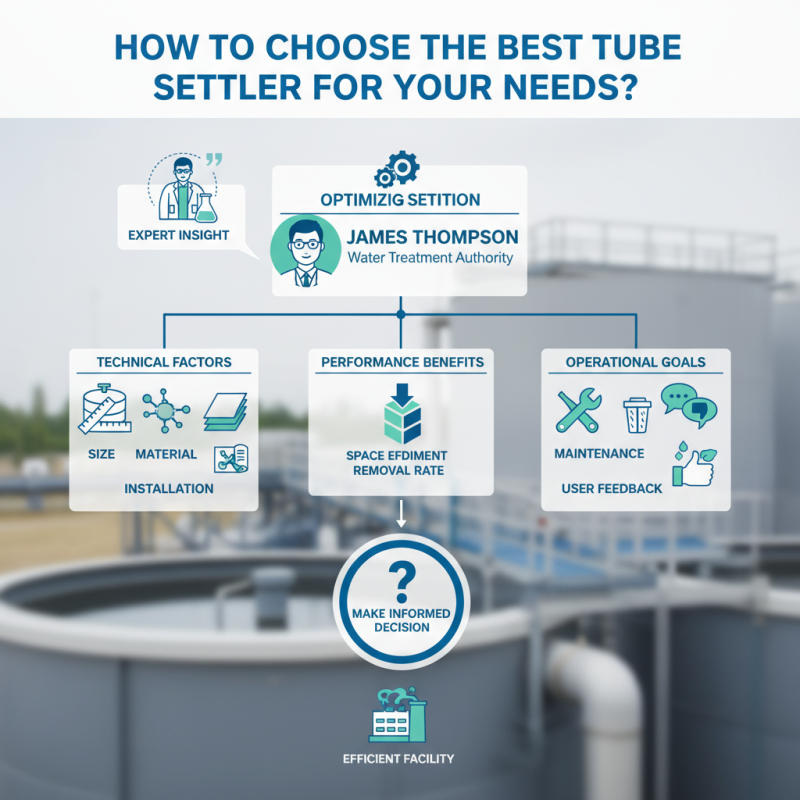
Choosing the right Tube Settler for your facility can significantly impact efficiency. Expert James Thompson, a recognized authority in the water treatment industry, once stated, "Selecting the right Tube Settler is crucial for optimizing sedimentation processes." His insights emphasize the importance of understanding your specific needs.
When exploring options for Tube Settlers, consider factors like size, material, and installation requirements. Not all systems offer the same performance benefits. Some may excel in space efficiency, while others provide better sediment removal rates. Evaluating these aspects can lead to more informed decisions.
Additionally, user feedback is essential. Many facilities have experienced challenges with maintenance or performance. It's vital to reflect on both successes and shortcomings. The right Tube Settler should not only meet technical specifications but align with your operational goals.
Understanding Tube Settlers and Their Applications
Tube settlers are essential components in various water treatment systems. They aid in the clarification process by promoting the settlement of suspended solids. Understanding their applications can help you select the best option for your needs.
These devices are used in both municipal and industrial settings. Tube settlers enhance sedimentation efficiency, leading to clearer water. They reduce the footprint of treatment plants. Some common applications include drinking water treatment and wastewater management. However, not every tube settler fits every application. Consider factors like water quality and flow rate when making your choice.
Installation can be challenging. Proper alignment and support are vital for effective operation. Regular maintenance is crucial to ensure longevity and performance. This often involves cleaning and checking for blockages. Each facility may face unique challenges, and flexibility in design can help tackle those issues. Understanding these nuances is key to optimizing your tube settler's performance.
Factors to Consider When Selecting Tube Settlers
When selecting tube settlers, various factors come into play. One crucial aspect is the design of your settling tank. The tank's dimensions influence the size and arrangement of tube settlers. Larger tanks may require more settlers to achieve effective separation. Additionally, the type of wastewater or sludge being treated can impact performance. Different materials and configurations work better with specific waste types.
Another important consideration is the flow rate. Understanding how quickly your wastewater needs to be processed will guide your choice of settlers. High flow rates may necessitate larger or more numerous tubes. Meanwhile, the incline of the tubes affects settling efficiency. A steeper angle can enhance particle settling but may also increase maintenance needs.
Don’t overlook the importance of maintenance and installation. Some tube settler systems are easier to clean than others. This factor can significantly affect long-term operation costs. While some technologies promise higher efficiency, the actual performance may vary. Always reflect on your treatment goals and the specific challenges you face in your processes. It’s essential to assess reliability and cost-effectiveness when making your selection.
Different Types of Tube Settlers and Their Features
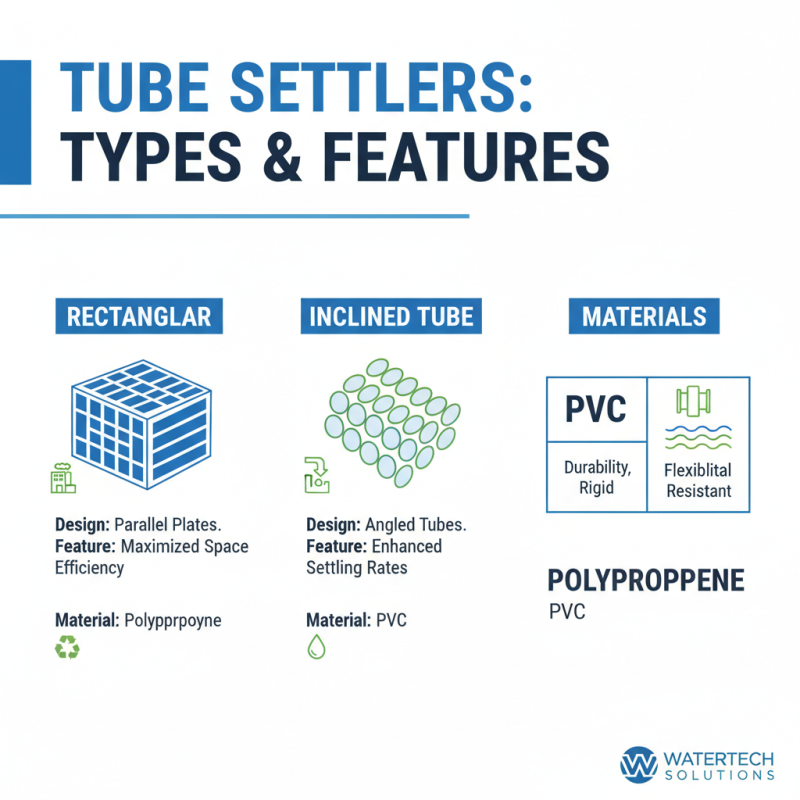
When choosing a tube settler, it's crucial to understand the various types available. Each type offers unique features that can greatly impact your water treatment process. Some settlers utilize a rectangular design, which can maximize space efficiency. Others come with inclined tube designs that enhance settling rates. Materials also vary; some are made from PVC for durability, while others use polypropylene for flexibility.
It's essential to consider your specific needs. If dealing with high sediment loads, opt for settlers with larger surface areas. On the other hand, smaller applications may benefit from compact designs. Depending on the installation space, the tube settler’s shape can affect the overall performance.
Tips for selection: evaluate the flow rate required for your system. Assess if you need a modular system or a fixed one. Research potential maintenance needs, as complex designs may require more upkeep. Ultimately, the choice of tube settler can influence both efficiency and cost in your operations. This decision warrants careful thought and reflection on your current setup and future needs.
Assessing the Performance and Efficiency of Tube Settlers
Choosing the right tube settler can significantly impact the efficiency of your water treatment process. The performance of tube settlers depends on various factors, including design, material, and installation. Studies suggest that optimal channel dimensions can enhance settling rates. A research report indicated that proper spacing can increase settling efficiency by up to 30%.
Evaluating the efficiency of tube settlers involves looking at their hydraulic performance. A well-designed settler can achieve a settling velocity of around 5 mm/s, reducing turbidity levels effectively. However, not all installations yield this performance. Misalignment during installation can reduce functionality. Regular maintenance is crucial, as biofouling can decrease flow rates, impacting overall system efficiency.
Tube settlers can vary in their materials. Plastic options resist corrosion, while concrete variants often provide durability. Different applications may require specific designs. Understanding these nuances is key to making a well-informed decision. Inadequate assessment of needs can lead to suboptimal performance. Prioritizing thorough research and expert opinions ensures that the chosen tube settler aligns with specific operational goals.
Maintenance and Care for Optimal Tube Settler Functionality
Maintaining tube settlers is essential for their optimal functionality. Regular inspections can prevent clogs and ensure efficient operation. Check for sediment buildup or debris that could impair performance. Cleaning these structures, especially in high-use environments, is crucial. Use a gentle washing procedure to remove contaminants without damaging the materials.
Tips for maintenance: Schedule routine checks every few months. Employ soft brushes or specialized cleaners appropriate for tube settler materials. Be mindful of wear and tear; replace components as needed. Storing tube settlers properly during downtimes can also extend their life.
Don’t overlook minor performance issues. Addressing these promptly can save time and costs in the long run. If sediment accumulates, blending manual scrubbing with automated systems can yield better results. Your overall understanding of tube settler care can greatly enhance water treatment effectiveness.
How to Choose the Best Tube Settler for Your Needs? - Maintenance and Care for Optimal Tube Settler Functionality
| Parameter |
Description |
Importance |
| Tube Material |
Material used for constructing tube settlers, affects durability and chemical resistance. |
High |
| Settling Efficiency |
The ability of the settler to separate solids from liquids effectively. |
Very High |
| Maintenance Requirements |
Frequency and type of maintenance needed to keep the system operational. |
Medium |
| Size and Dimensions |
Physical size and configuration of the tube settler. |
High |
| Cost |
Price of the tube settler and associated installation costs. |
High |
| Application Type |
Specific applications such as industrial, municipal, or residential uses. |
Medium |

 +86 13600513715
 CONTACT NUMBER
 CONTACT NUMBER