What is a Drum Filter in Aquaculture and How Does it Work?
In the field of Drum Filter Aquaculture, effective waste management is crucial. Experts in aquaculture emphasize the importance of filtration systems in maintaining water quality. Dr. Susan Kim, a leading aquaculture engineer, stated, "A well-designed drum filter can dramatically improve fish health and growth rates." This highlights the significant role drum filters play in the industry.
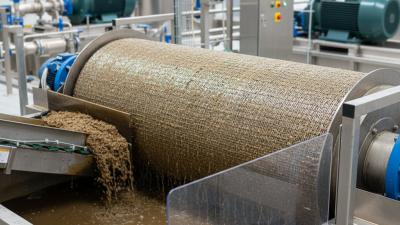
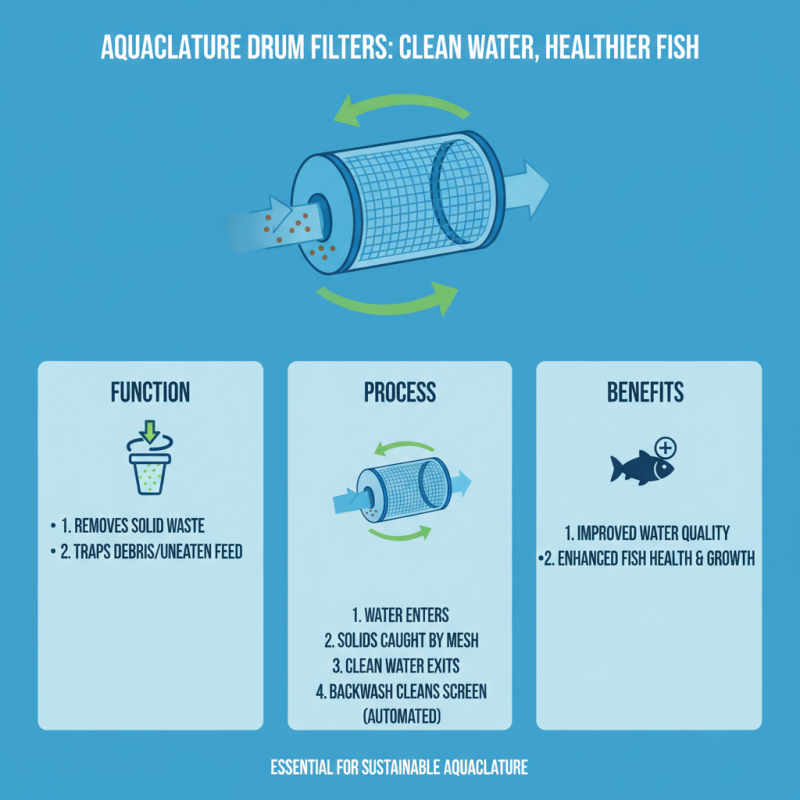
Drum filters operate by using a rotating drum to separate solid waste from water. As water flows through the drum, solids are captured on the filter surface. This process ensures that clean water returns to the aquaculture system. However, not all drum filters are created equal; some designs may not adequately remove fine particles.
While drum filters offer numerous benefits, they also have limitations. Regular maintenance is necessary to prevent clogs and inefficiencies. Failing to keep the system clean can lead to poor water conditions. Thus, finding the right balance in filter management is essential for successful aquaculture operations. Understanding these nuances can make a difference in fish production and overall sustainability.
Definition and Purpose of Drum Filters in Aquaculture
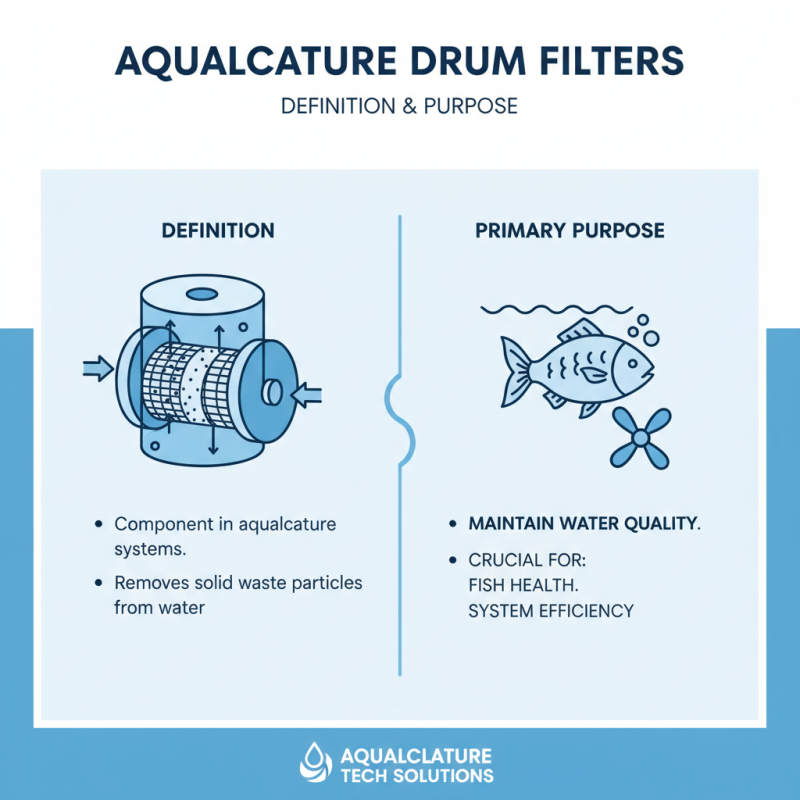
A drum filter is an essential component in aquaculture systems. Its primary purpose is to maintain water quality by removing solid waste particles. These filters are crucial for both fish health and system efficiency.
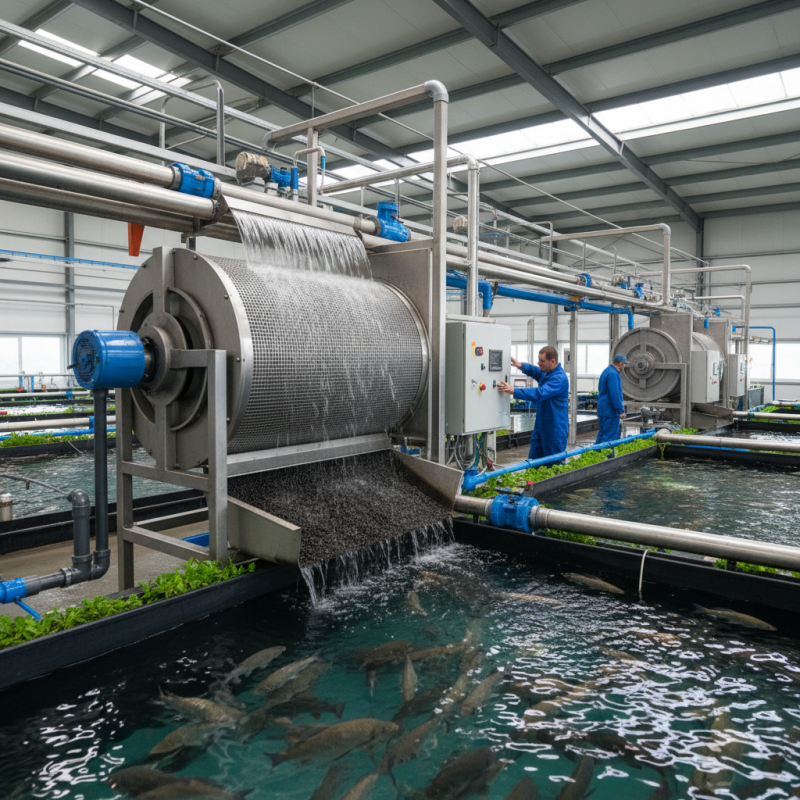
Drum filters operate using a cylindrical mesh screen that rotates in water. As water enters, debris gets trapped on the screen’s surface. Clean water flows through the mesh and returns to the system. This process helps prevent the accumulation of harmful substances, creating a healthier environment for aquatic life.
However, drum filters are not without challenges. Regular maintenance is necessary to ensure optimal performance. Clogging can occur, especially with larger solids. Aquaculture operators must remain vigilant and adjust operating parameters to prevent issues. Balancing efficiency with thorough cleaning can be tricky, underscoring the need for experience in filter management.
How Drum Filters Operate: The Filtering Process Explained
Drum filters play a crucial role in aquaculture systems. They are essential for maintaining water quality. The filtering process begins with water entering the drum filter. The water passes through a mesh screen, typically with openings ranging from 35 to 300 microns. This step removes solid waste, uneaten feed, and algae. The efficiency of drum filters can significantly improve water clarity and reduce the need for chemical treatments.
In recent studies, effective drum filtration can reduce suspended solids by up to 95%. This reduction is vital for the health of aquatic organisms. The filtered solids are often conveyed to a waste collection tank, where they can be processed or removed. The design of drum filters allows for continuous operation and minimal user interference, making them a popular choice.
**Tip:** Regularly check the filter's mesh for clogs. Even small blockages can affect filtration efficiency. This will ensure optimal functioning and prevent costly issues in your aquaculture system.
Maintaining proper flow rates is essential. If the flow is too slow, the filter may not work effectively. Conversely, excessive flow can lead to rapid clogging. It's important to find the right balance for your system. Careful monitoring will yield the best results.
Benefits of Using Drum Filters in Aquaculture Systems
Drum filters play a crucial role in aquaculture systems. They help maintain water quality by effectively removing solid waste and suspended particles. The design includes a rotating drum that filters water through a mesh screen. As water flows through, debris is trapped on the screen, while clean water exits. This process is efficient and reduces the need for manual cleaning.
Using drum filters in aquaculture has several advantages. They enhance fish health by providing cleaner water, which is vital for growth. Healthy fish are more resilient to diseases and produce better yields. Moreover, these systems minimize labor costs. They require less frequent maintenance compared to traditional filters. This gives operators more time to focus on other important tasks.
However, not all drum filters perform well under varying conditions. Some systems may struggle with heavy bio-loads, affecting their efficiency. Regular monitoring is necessary to ensure they work optimally. Operators must be prepared to make adjustments based on specific needs. This ongoing reflection can lead to better practices and more sustainable aquaculture operations.
What is a Drum Filter in Aquaculture and How Does it Work? - Benefits of Using Drum Filters in Aquaculture Systems
| Feature |
Description |
Benefits |
| Mechanical Filtration |
Drum filters utilize a rotating drum covered with a mesh screen to separate solids from water. |
Highly effective in removing suspended particles, improving water clarity. |
| Self-Cleaning Mechanism |
As the drum rotates, a high-pressure spray removes accumulated debris. |
Reduces maintenance time and effort, ensuring continuous operation. |
| Flow Rate |
Can handle high flow rates, suitable for large aquaculture operations. |
Optimizes water turnover, essential for maintaining water quality. |
| Efficiency |
Offers high removal efficiency for organic and inorganic particles. |
Enhanced ecosystem health, leading to healthier fish and plants. |
| Compact Design |
Less footprint compared to traditional filtration systems. |
Saves space in aquaculture facilities, allowing more efficient use of resources. |
Maintenance Requirements for Drum Filters in Fish Farming
Drum filters play a crucial role in aquaculture. They help maintain clean water for fish farming. However, their effectiveness relies heavily on regular maintenance. Neglecting this can lead to reduced performance and increased costs.
Routine checks are essential. Inspect the drum for clogs or wear. Cleaning filters weekly ensures optimal flow rates. Use pressurized water for thorough cleaning. Sometimes, a simple rinse isn’t enough. The bedding area must also be kept clear to prevent debris buildup.
Monitoring filter performance is key. Keep an eye on water clarity and flow rates. Sudden changes can indicate problems. Document maintenance schedules and findings. This consistency fosters accountability and helps identify recurring issues. In aquaculture, the tiniest oversight can have significant effects on fish health. Having a structured plan aids in long-term success.

 +86 13600513715
 CONTACT NUMBER
 CONTACT NUMBER