What is a Lamella Plate Settler and How Does it Work?
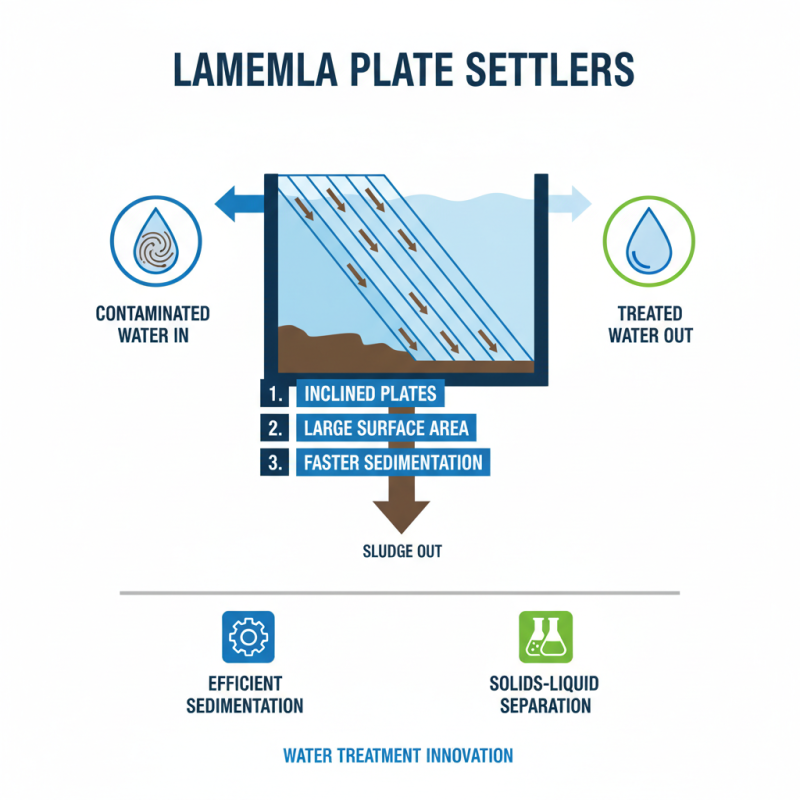
Lamella Plate Settlers are vital in modern water treatment. They use inclined plates to enhance the sedimentation process, making them effective for clarifying water. According to a report by the Water Environment Federation, these systems can improve sedimentation rates by up to 50%. This efficiency is crucial for treating large volumes of wastewater, especially in urban areas.
Dr. Jane Thompson, a leading expert in water treatment, once stated, “Lamella Plate Settlers revolutionize how we approach sedimentation.” Her insights highlight the importance of these systems in ensuring cleaner water. However, despite their advantages, challenges remain. For instance, maintenance issues can arise if these settlers are not properly monitored.
Incorporating Lamella Plate Settlers can significantly boost operational efficiency. Yet, each installation should consider site-specific factors. As industries evolve, exploring these settler systems helps shape better water treatment solutions. The journey towards optimal solutions is ongoing, with much to reflect upon.
What is a Lamella Plate Settler?
A lamella plate settler is a crucial component in water and wastewater treatment. It utilizes inclined plates, or lamellae, to enhance sedimentation processes. The lamellae create a large surface area for solids to settle while minimizing the space required for the settler itself. This design efficiently separates particulates from liquid, improving overall treatment effectiveness.
According to recent industry reports, lamella plate settlers can increase settling rates by up to 50%. They are particularly effective in treating high solid concentrations, reducing the footprint of treatment plants. Unlike conventional settlers, which may require relatively more space, the lamella design can fit into tighter spaces without compromising performance. This makes them integral for urban wastewater treatment facilities.
Tips: Regular maintenance is key. Over time, sediment and debris can accumulate in the settler. This can reduce efficiency, so frequent checks are necessary. Monitor flow rates too; fluctuating input can affect settling performance. Limiting sudden changes in inflow helps ensure optimal results. Additionally, training your staff to recognize early signs of inefficiencies can save time and costs.
What is a Lamella Plate Settler and How Does it Work?
| Feature |
Description |
| Definition |
A lamella plate settler is a type of sedimentation device used in water treatment processes that enhances the separation of solids from liquids. |
| Working Principle |
It operates on the principle of gravity sedimentation, where particles settle down through inclined plates, improving the settling efficiency. |
| Main Components |
Inclined plates, collection hopper, feed inlet, and overflow outlet. |
| Key Advantages |
High settling efficiency, compact design, reduced footprint, and ability to handle large volumes of effluent. |
| Applications |
Used in wastewater treatment, industrial processing, and water purification systems. |
| Maintenance |
Requires regular inspection, cleaning of the plates, and monitoring of sediment buildup to maintain efficiency. |
Principle of Operation of Lamella Plate Settlers
Lamella plate settlers are innovative devices used in various industries, especially for water and wastewater treatment. Their design enhances the sedimentation process. The settlers consist of multiple inclined plates that increase the effective settling area. This leads to faster separation of solids from liquids. According to recent studies, lamella plate settlers can achieve a reduction of suspended solids by over 90% in some applications.
The principle of operation relies on gravity and the geometry of the plates. As water flows through the settlers, suspended particles collide with the plates. These collisions cause the solids to settle out of the liquid. A report by industry experts indicates that lamella plate settlers can handle flow rates up to 1000 m³/h, making them suitable for large-scale applications. However, the efficiency of these devices can vary based on factors like flow rate and influent quality.
Implementation is not without challenges. System design must account for potential clogging issues. In certain cases, improper operation can lead to increased maintenance needs. Operators need ongoing training. Data suggests that as many as 30% of installations do not perform at their expected efficiencies. Continuous improvement and monitoring can help to address these issues, ensuring that lamella plate settlers operate at their best.
Applications of Lamella Plate Settlers in Water Treatment
Lamella plate settlers are vital in water treatment processes. They utilize inclined plates to enhance settling efficiency. This design increases the surface area for sedimentation while minimizing space requirements. The process primarily targets suspended solids and helps clarify water. It finds applications in various industries.
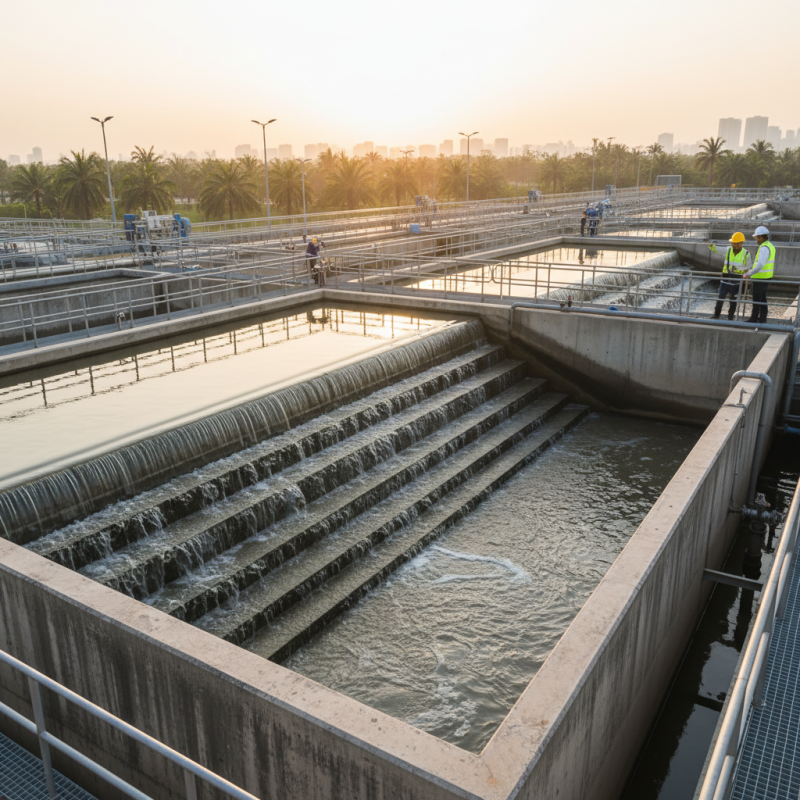
Municipal water treatment plants often employ lamella settlers. These devices efficiently remove particulates from water, improving its quality. They function well in high-flow systems, making them suitable for urban settings. Another key area is wastewater treatment. Aging infrastructure poses challenges, and lamella settlers provide practical solutions. They can handle fluctuations in flow rates.
Industries often depend on these settlers for pre-treatment. In mining operations, water is often contaminated with heavy metals. Lamella settlers help in reducing these contaminants. Yet, they are not without drawbacks. Regular maintenance is required to ensure optimal performance. Accumulation of sludge can hinder flow rates. Addressing these issues is essential for long-term effectiveness.
Advantages of Using Lamella Plate Settlers
Lamella plate settlers are innovative devices used in water treatment processes. Their design allows for efficient sedimentation. These settlers use inclined plates to create a large surface area. As water flows through, contaminants settle more quickly. This design enhances the separation of solids from liquids.
The advantages of using lamella plate settlers are notable. They occupy less space than traditional settling tanks. This compact design makes them suitable for various facilities. They can handle high flow rates effectively. Additionally, the inclined plates improve the settling efficiency of particles.
However, some challenges exist. Maintenance can be overlooked due to their compact nature. Sometimes, operators may struggle to monitor the sediment levels. Proper training is essential for optimal performance. Without it, issues may arise, affecting efficiency. Understanding these factors leads to better management and usage of lamella plate settlers.
Maintenance and Operational Considerations for Lamella Plate Settlers
When operating a Lamella Plate Settler,
regular maintenance is crucial. These systems rely on gravity and specific plate angles
to separate solids from liquids. Over time, sludge
can accumulate in the collection zone. This buildup can impact performance and efficiency.
Performing routine checks helps identify issues early.
Cleaning is often necessary.
Operators should assess the plates for blockages or deposits. An unclean settler may lead
to flow disruptions. Observing flow rates can provide insights into operational status.
It’s essential to ensure that influent conditions match the design parameters.
In addition to cleaning, inspect the mechanical components.
Valves and pumps should function properly. Wear and tear can lead to leaks and inefficiencies.
Regular inspections will help maintain optimal function. Reflection on these aspects can lead
to improved performance. Taking a proactive approach is beneficial for long-term success.

 +86 13600513715
 CONTACT NUMBER
 CONTACT NUMBER