Top 10 Benefits of MBBR Bioreactor for Wastewater Treatment?
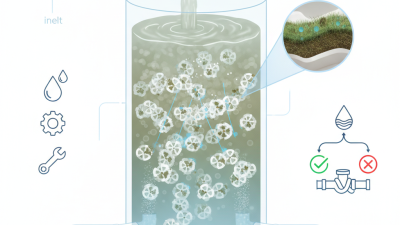
The MBBR bioreactor has transformed wastewater treatment processes significantly. Dr. Jane Smith, a leading expert in environmental engineering, states, "The efficiency of MBBR bioreactors lies in their ability to enhance treatment capacity without requiring extensive space." This innovative technology harnesses biofilm growth on moving media, offering versatile treatment solutions.
One major benefit is its compact design. Facilities can implement MBBR systems in sites where space is limited. Furthermore, MBBR bioreactors are highly adaptable, suitable for various wastewater types. Their ability to adjust to changing inflow conditions is crucial for meeting regulatory standards. The reduction of sludge production is another noteworthy advantage, leading to lower operational costs.
Yet, despite these benefits, challenges exist. Operators must maintain optimal conditions to ensure effective biofilm growth. Monitoring performance regularly can be demanding but essential. These considerations highlight the balance between innovation and expertise in leveraging MBBR bioreactors for sustainable wastewater management.
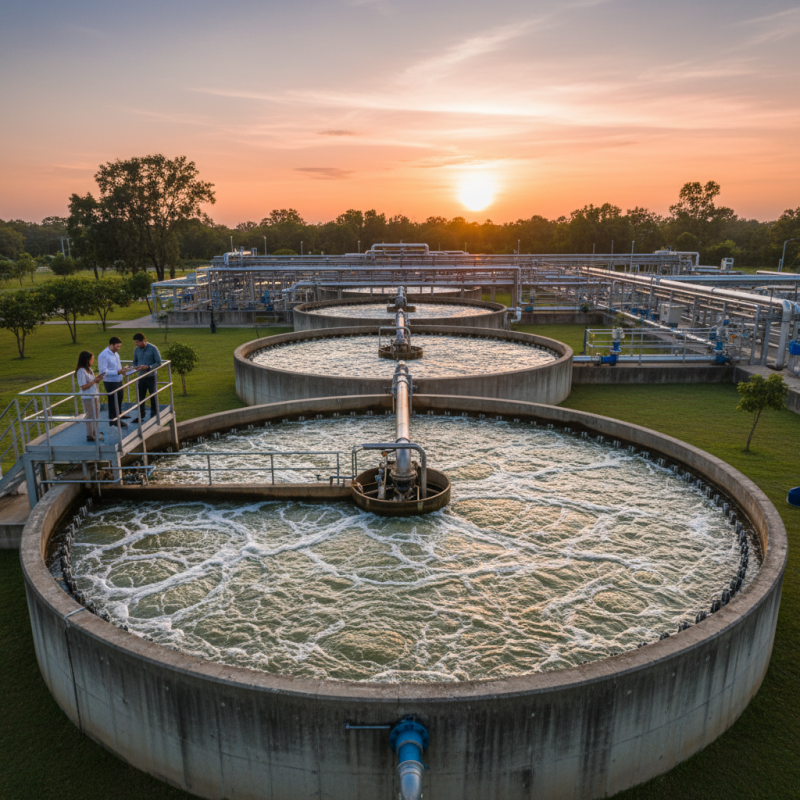
Advantages of MBBR Bioreactors in Wastewater Treatment Processes
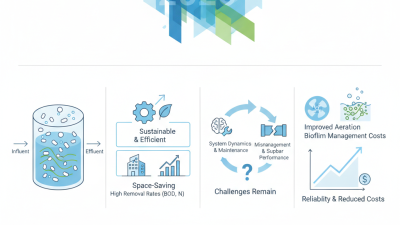
MBBR (Moving Bed Biofilm Reactor) bioreactors present notable advantages for wastewater treatment processes. One primary benefit is their high efficiency in nutrient removal. Studies indicate that MBBRs achieve biological oxygen demand (BOD) reductions of up to 90%. This is crucial for meeting stringent regulatory standards. Additionally, their ability to maintain a stable operation under varying wastewater conditions makes them favorable.
The compact design of MBBR systems allows for a smaller footprint than conventional systems. This can lead to significant savings in real estate costs for treatment facilities. According to industry reports, these systems can reduce required tank volumes by up to 50%. This not only conserves space but also cuts construction and operational costs.
**Tips:** When considering MBBR installation, evaluate your specific wastewater characteristics. Optimal performance can vary based on influent quality. Regular maintenance is essential to ensure biofilm health. Monitoring biofilm thickness can prevent performance issues. Close attention to these factors can significantly enhance treatment outcomes.
Enhanced Treatment Efficiency Compared to Traditional Methods
The MBBR bioreactor represents a significant advancement in wastewater treatment. It improves treatment efficiency, surpassing traditional methods. One key feature is its ability to enhance organic matter removal. This is achieved through a larger surface area for microbial growth. Microbes thrive on the media, breaking down pollutants more effectively than in conventional systems.
Another advantage lies in the bioreactor's adaptability. Unlike fixed-bed systems, MBBR can respond to varying loads. This helps maintain optimal performance even during peak times. However, while these reactors improve efficiency, they require careful monitoring. Operators must ensure that the media remains clean and the microbial community stays balanced. Over time, operators may encounter fouling issues, which could affect performance if not addressed promptly.
Cost is an essential factor too. MBBR systems can be more expensive upfront, but their operational efficiency may lead to long-term savings. Facilities that are not prepared for initial investment might reconsider. Ultimately, MBBR bio-reactors offer innovative solutions, yet they come with their share of challenges that need to be managed effectively.
Reduced Footprint and Space Requirements for Treatment Facilities
The MBBR bioreactor technology offers substantial benefits for wastewater treatment, particularly in terms of space efficiency. Traditional wastewater treatment methods often require vast areas for clarifiers and aeration tanks. In contrast, MBBR systems use a compact design, drastically reducing the footprint of treatment facilities. This is especially crucial for urban areas with limited space.
Additionally, MBBR bioreactors can be configured in modular designs. This allows for scalability, enabling facilities to increase capacity without extensive renovations. The inherent flexibility of MBBR systems supports various wastewater treatment scenarios. Facilities can optimize land use while enhancing treatment efficiency.
Tips: Consider local regulations and site conditions before implementation. Engage with design professionals to ensure the chosen system meets your needs. Evaluate maintenance requirements regularly, as neglect can lead to inefficiencies.
Top 10 Benefits of MBBR Bioreactor for Wastewater Treatment
Lower Operational Costs and Energy Consumption in MBBR Systems
MBBR (Moving Bed Biofilm Reactor) systems are gaining attention in wastewater treatment for their lower operational costs and energy consumption. One key advantage of MBBR systems is their ability to enhance biological treatment efficiency. With a more compact design, these reactors use less space and require fewer energy resources than traditional methods. This efficiency translates into reduced electricity bills and operational overhead.
Additionally, MBBR systems employ biofilm carriers that optimize microorganism growth. These carriers increase surface area for biofilm attachment, improving treatment performance. This efficiency can lead to longer intervals between maintenance, reducing labor costs over time. Wastewater treatment facilities often report significant savings, allowing them to reinvest funds into other essential areas.
Tips: Regularly monitor the performance of your MBBR system. Small changes can lead to significant improvements in efficiency. It is also beneficial to conduct routine maintenance to keep the system running smoothly. Lastly, consider training staff on best practices to further enhance operational efficiency and reduce costs. This proactive approach is crucial in realizing the full potential of MBBR technology.
Flexibility and Adaptability of MBBR for Various Wastewater Types
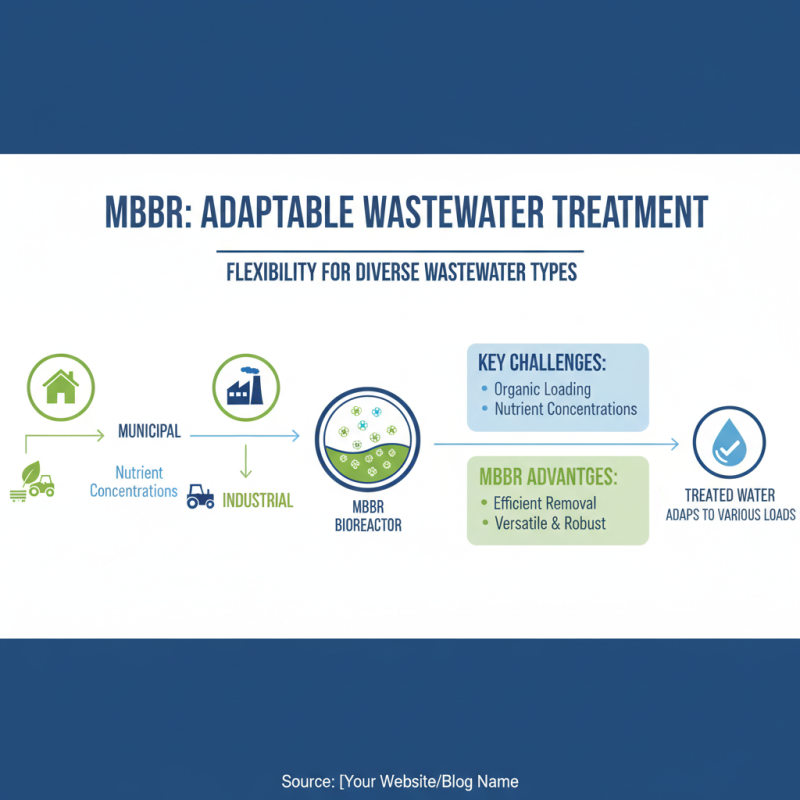
The MBBR bioreactor offers notable flexibility in treating various types of wastewater. It can efficiently handle municipal, industrial, and agricultural wastewater. Each type presents unique challenges. MBBR adapts well to differing organic loadings and nutrient concentrations, making it versatile.
Its design allows easy modifications based on specific needs. For example, if the influent quality changes, the system can be adjusted without complete overhauls. This adaptability could save costs and time. However, operators must remain vigilant. Unexpected shifts in wastewater characteristics can affect performance.
The growing diversity of wastewater streams necessitates innovative treatment solutions. MBBR’s ability to function effectively under different conditions draws interest. Yet, its reliance on suspended biomass can lead to operational challenges. Operators must invest in regular monitoring to ensure optimal performance. Proper maintenance and understanding are key to maximizing its benefits.
Conclusion
The MBBR bioreactor, or Moving Bed Biofilm Reactor, offers numerous advantages in wastewater treatment processes. One of its primary benefits is enhanced treatment efficiency when compared to traditional methods, allowing for more effective removal of pollutants. Additionally, MBBR systems require a reduced footprint and space, making them suitable for facilities with limited real estate. The operational costs and energy consumption are also lower, contributing to sustainable wastewater management practices.
Moreover, MBBR bioreactors demonstrate remarkable flexibility and adaptability, making them effective for treating various types of wastewater. This versatility is complemented by improved sludge settling properties, which result in a reduced need for secondary treatment processes. Overall, MBBR bioreactors represent a progressive solution for modern wastewater treatment challenges, combining efficiency and cost-effectiveness.

 +86 13600513715
 CONTACT NUMBER
 CONTACT NUMBER