What is a Rotary Drum Filter and How Does It Work?
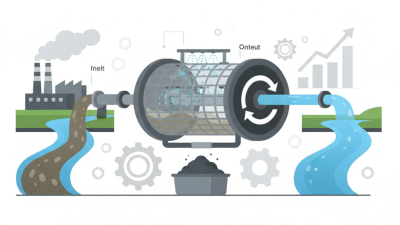
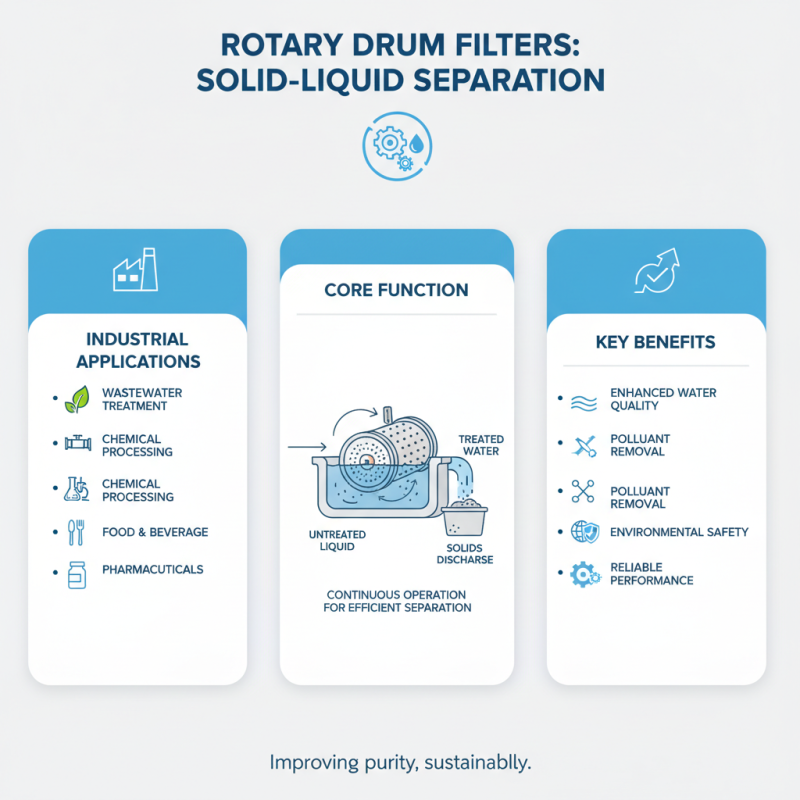
A Rotary Drum Filter is an essential component in various industries. Its purpose is to separate solids from liquids effectively. This filter type uses a rotating drum coated with a fine mesh or porous material. As the drum turns, liquid enters and passes through the mesh, leaving solids behind.
The process sounds simple. Yet, it demands careful engineering. The design must allow for optimal flow and filtration efficiency. Various factors, such as drum speed and mesh size, impact the results. Sometimes, adjustments lead to unexpected outcomes. Operators must monitor these changes closely.
In real-world applications, challenges arise. Clogging can occur if the wrong mesh size is used. Maintenance can also be time-consuming and costly. Despite these hurdles, the Rotary Drum Filter remains popular. Its ability to handle large volumes makes it a reliable choice in many settings. Understanding its mechanisms can lead to improved efficiency and better results for users.
Understanding the Concept of Rotary Drum Filters
Rotary drum filters are essential in various industrial processes. They play a vital role in separating solids from liquids. This separation is crucial in wastewater treatment, food processing, and mineral processing. According to the International Water Association, rotary drum filters effectively remove up to 90% of suspended solids. This high efficiency showcases their importance in maintaining clean environments.
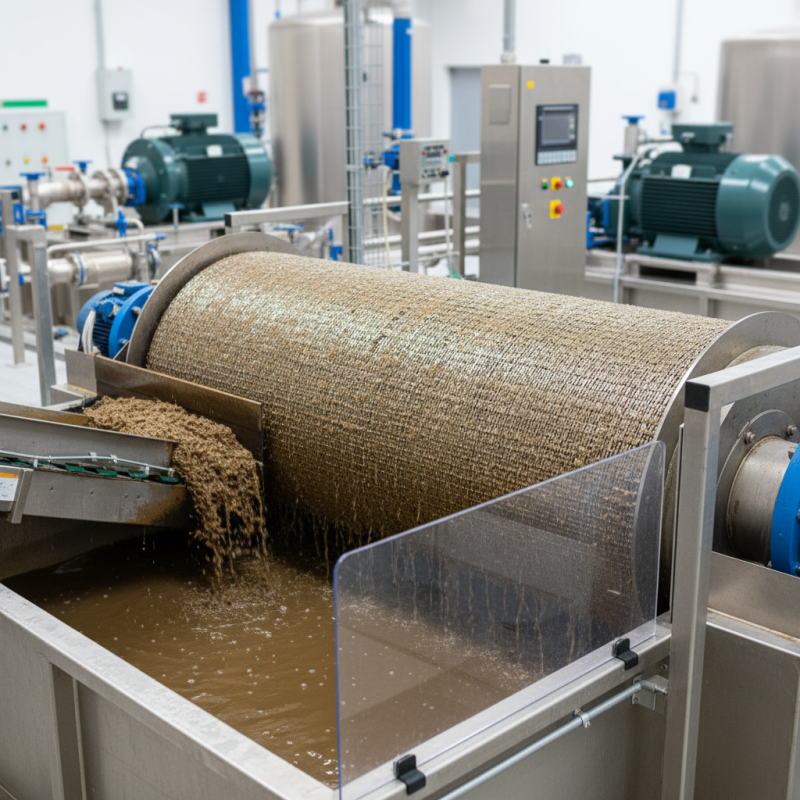
The operation of a rotary drum filter is relatively straightforward. A cylindrical drum is covered with a porous material. As the drum rotates, it submerges in a slurry mixture. solids are captured on the drum's surface while the liquid flows through. As the drum continues to rotate, a scraping device removes the accumulated solids for further processing. This continuous operation minimizes downtime, making it an ideal solution for various industries.
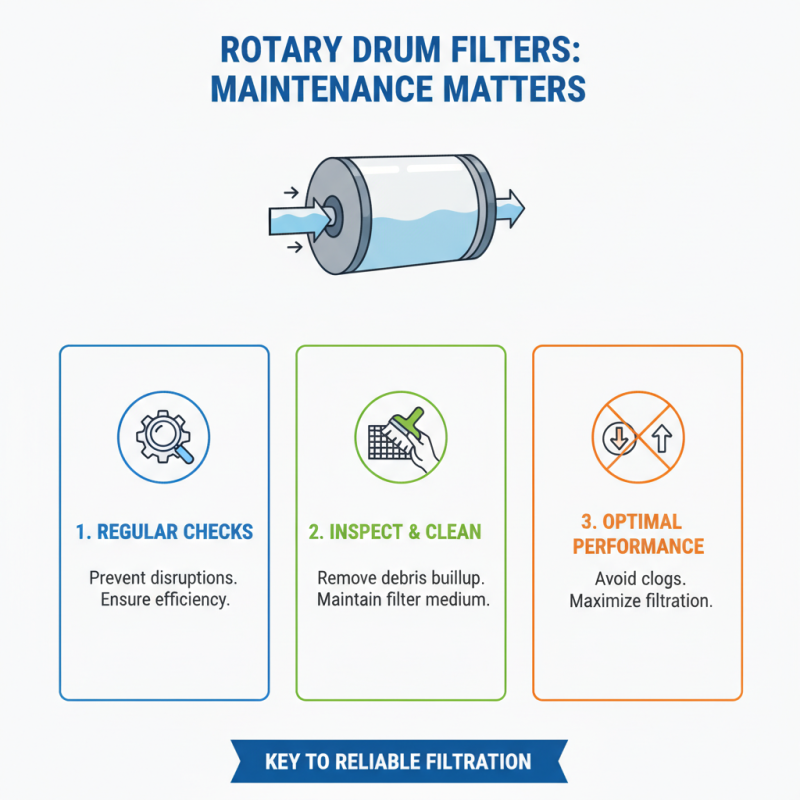
Tips: Regular maintenance is crucial. Inspect the drum for any wear and tear. This prevents unexpected failures.
Another key aspect is the choice of filter medium. The right material affects the filtration efficiency. A mismatch may result in higher operational costs. Ensuring compatibility with the specific application is essential. Failure to do so might require costly adjustments down the line.
Key Components of a Rotary Drum Filter
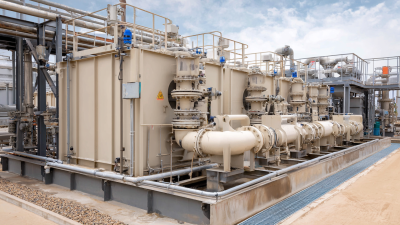
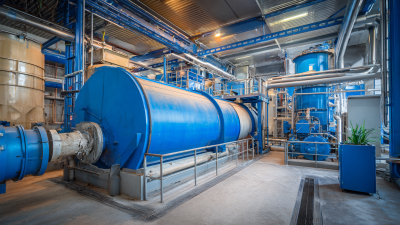
Rotary drum filters are essential in various industries. Their efficiency relies on several key components. The main part is the rotating drum, often made from a fine mesh material. This drum holds the solid particles while allowing liquids to pass through. As the drum rotates, it keeps the solids from clumping together.
The drive system is another crucial element. It powers the drum's rotation, maintaining a steady speed. A reliable motor is necessary here. The filtration area must be designed to optimize fluid flow. Proper spacing avoids clogging, a common issue. The cleaning mechanism is also vital. It ensures the surface of the drum remains free of debris. Without this, efficiency drops significantly.
These components work together to create a system capable of handling various materials. However, maintenance is important. Neglect can lead to breakdowns and inefficiencies. Users often overlook it. Fine-tuning these parts can enhance performance but requires diligence and care. The life of a rotary drum filter depends on how well its components are maintained.
Mechanism of Operation of Rotary Drum Filters
Rotary drum filters are crucial in industrial filtration. They separate solids from liquids using a rotating drum. The drum is partially submerged in a tank filled with the fluid to be filtered. As the drum rotates, solids collect on its surface. This process is efficient, yet not flawless.
The mechanism relies on gravity and vacuum. Liquid enters the drum through a screen, allowing solids to stick to the filter media. A vacuum then pulls the filtered liquid away. However, maintaining optimal vacuum levels is challenging. Reports indicate that fluctuations can reduce filtration efficiency by up to 15%. Regular maintenance is essential to address this issue.
Some applications struggle with specific solids that may blinding the filter. This reduces its performance. A study noted that certain slurries required more frequent cleaning. Users must find a balance between operational costs and efficiency. Continuous monitoring of flow rates and filter conditions is vital for optimal performance. The complexity of managing a rotary drum filter underscores the need for thorough operator training and proactive maintenance protocols.
Applications of Rotary Drum Filters in Various Industries
Rotary drum filters are widely used across various industries. Their role is crucial in separating solids from liquids. In wastewater treatment, for example, they help remove contaminants efficiently. This process enhances the quality of water, making it safer for the environment. Each filter operates continuously, ensuring a steady flow of treated water.
In food processing, rotary drum filters play a significant role as well. They clarify juices and remove unwanted solids from products. This improves the final product’s texture and taste. However, some operators may find it challenging to maintain optimal pressure levels. Regular monitoring is essential to prevent blockages and ensure performance.
In the mining industry, these filters are used for tailings management. They help in recovering valuable minerals from waste materials. However, achieving a balanced operation can be tricky. Sometimes, the sludge buildup can hinder efficiency. Continuous improvement and adaptation in strategies are necessary for better results.
Maintenance and Troubleshooting Tips for Rotary Drum Filters
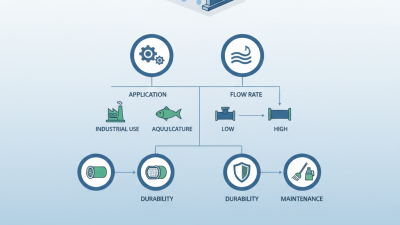
Rotary drum filters are effective in many applications. However, maintenance is crucial for optimal performance. Regular checks can prevent issues that disrupt filtration. Inspect the drum regularly for debris buildup. Make sure the filter medium is clean and intact. A clogged filter can lead to reduced efficiency.
Troubleshooting is often necessary. If the flow rate drops unexpectedly, check the pump. It might be running inefficiently. You should also look at the seals and gaskets. Small leaks can cause big problems. Repair any worn parts promptly to avoid escalation.
Cleaning the filter is essential, but do it carefully. Over-cleaning can damage the mesh and affect future filtration. Understand the balance between thoroughness and caution. Sometimes, the solution is not obvious. Take a moment to reflect on past maintenance habits. Adjust your approach based on experience, and you will improve results steadily.

 +86 13600513715
 CONTACT NUMBER
 CONTACT NUMBER