+86 13600513715


Choosing a Sludge Press Machine is not a simple capacity comparison. It is a decision about water, solids, labor, energy, and future operating risk. The World Bank’s report Wastewater: From Waste to Resource estimates that more than 80% of global wastewater is discharged without treatment. The United Nations World Water Development Report 2024 also highlights rising pressure on freshwater systems. These figures make reliable sludge dewatering more important, especially for municipalities and industrial plants expanding under tight budgets.
Dr. George Tchobanoglous, a leading wastewater treatment authority, has stated, “The goal of wastewater treatment is to protect public health and the environment.” That principle should guide every Sludge Press Machine purchase. A machine may produce a dry-looking cake during a factory trial, yet perform poorly with seasonal sludge, changing polymer doses, or abrasive grit. Small details matter. Check feed solids, hydraulic loading, cake dryness, filtrate quality, cloth availability, corrosion protection, and cleaning time. Ask for operating records, not only brochure promises.
This guide presents ten practical buying tips for global buyers. It examines total ownership cost, regional service support, automation, spare parts, energy use, and installation conditions. A belt press may suit continuous municipal flows. A screw press may fit sites needing lower noise and simpler operation. Neither option wins everywhere. That is the uncomfortable part. Laboratory results can mislead when real sludge varies daily. Buyers should test representative samples, verify references, and calculate performance across several years. A cheaper machine can become expensive when polymer use rises, bearings fail, or technicians wait weeks for parts. Credible decisions require evidence, careful questions, and a willingness to rethink initial assumptions.
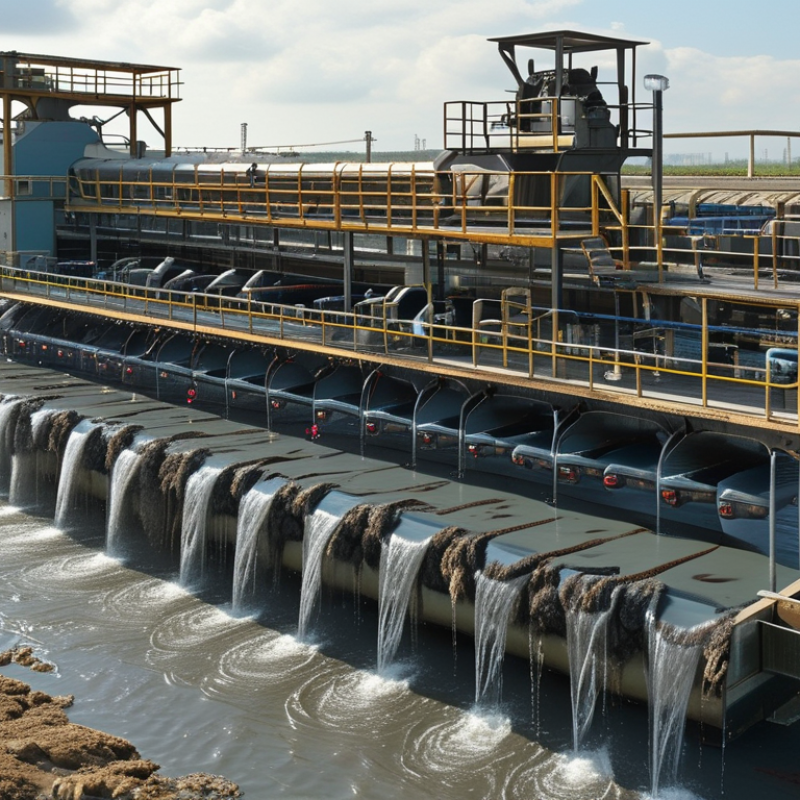
Sludge feed assessment should guide every press machine decision. A feed containing 0.5–5% solids can behave very differently during dewatering. At 0.5% solids, water dominates the flow and increases pumping demand. At 5%, the mixture may resist movement and require stronger conditioning. Small changes matter.
Measure feed flow, solids concentration, temperature, and particle size over several operating days. A single sample rarely represents real plant conditions. Record peak flow, not only the daily average. For example, 20 cubic meters per hour at 1% solids contains about 200 kilograms of dry solids hourly. That figure helps compare machine capacity honestly. Confirm the calculation with laboratory testing and actual operating records.
Required throughput should include seasonal variation and future production increases. Ask whether the target means wet sludge volume or dry solids loading. Confusing these measurements can lead to serious undersizing. I have seen clear laboratory samples create unrealistic expectations. Field sludge often contains grit, fibers, or changing organic content. Plan a controlled trial using representative material. Check cake dryness, filtrate clarity, polymer demand, and power consumption. Leave operating margin, but avoid excessive capacity that raises costs without improving results. Real performance may be less tidy than the specification sheet.
A capable sludge press should produce cake with 18–35% solids under stable operating conditions. The actual result depends on sludge type, feed concentration, temperature, and polymer selection. Ask for test data using your own sludge, not only factory water samples. Measure the cake.
During site trials, record feed flow, pressure, polymer dose, filtrate clarity, and cake moisture. A capture rate of at least 95% means most suspended solids remain in the cake. Confirm how the supplier calculates this figure. Some tests use ideal laboratory conditions. Field performance can be lower.
Inspect the filtrate visually and test suspended solids regularly. Clear filtrate is useful, but laboratory results provide stronger evidence. Check whether the machine maintains performance during several hours of continuous operation. Short demonstrations may hide gradual blinding or uneven sludge distribution. Reality is messier.
Choose a press with adjustable pressure, feed speed, and washing settings. These controls help operators respond to changing sludge characteristics. Excessive pressure may not improve dewatering and can increase maintenance needs. Polymer savings also require careful optimization, not guesswork. Leave room for correction. A reliable buying decision connects performance targets with repeatable operating records, practical service support, and realistic site conditions.
When comparing sludge press machines, start with verified dry-solids throughput, not wet feed volume. A rating of 5 kg DS/h suits small laboratories, pilot lines, or low-flow facilities. At 300 kg DS/h, the press needs stable feeding, stronger dewatering zones, and dependable solids handling. Ask suppliers to define whether capacity reflects average or peak operation.
That detail matters. A press rated at 100 kg DS/h may perform poorly when sludge becomes oily, fibrous, or unusually dilute. Power claims from 0.5 to 3 kW should be read beside throughput and operating hours. A 0.5 kW unit can reduce energy use, but it may require slower cycles or manual attention. A 3 kW model may handle heavier loading, yet higher motor power does not guarantee drier cake.
Request test data showing feed solids, polymer dose, cake dryness, and actual energy per kilogram DS. Use local sludge samples whenever possible. Tests can mislead. Check whether the stated capacity matches your daily duty, not just a short demonstration. Leave operating margin for seasonal changes, cleaning, and wear. Inspect frame access, wash-water demand, noise, controls, and replacement-part availability before purchase. Some buyers choose the smallest motor to cut costs, then lose capacity during peak weeks. Recheck that trade-off.
10 Sludge Press Machine Buying Tips for Global Buyers
Polymer, Automation, and Cleaning: Optimize Doses Near 2–10 kg/t DS
Polymer selection begins with sludge chemistry, not the machine brochure. The U.S. EPA’s Biosolids Technology Fact Sheet for belt filter presses identifies polymer demand commonly near 2–10 kg per tonne of dry solids. The correct dose still depends on solids concentration, organic content, and shear exposure. A jar test can reveal whether a pale, weak floc or a dense, elastic floc is forming.
Small adjustments matter. Operators should compare filtrate clarity, cake dryness, polymer consumption, and press torque together. A clean filtrate does not always mean efficient operation. Overdosing can create sticky cake, raise costs, and overload downstream handling. Underdosing may produce cloudy filtrate and unstable cake discharge. The target is a stable operating window, not one perfect number.
Automation should monitor feed flow, dry-solids loading, polymer concentration, differential speed, and torque. Good controls adjust gradually. Fast corrections can damage flocs before the press responds. Cleaning design deserves equal attention: spray-bar access, nozzle inspection, wash-water pressure, and automatic flushing reduce hidden performance losses. The European Commission’s 2018 Waste Treatment BREF emphasizes process control and resource efficiency, but field conditions remain unpredictable. A practical trial with local sludge is still essential. Some specifications look precise on paper. They can fail beside a real, fluctuating sludge line.
| No. | Buying Dimension | What to Check | Practical Benchmark or Target | Recommended Specification | Buyer Verification Method | Why It Matters |
|---|---|---|---|---|---|---|
| 1 | Sludge Characterization | Confirm sludge source, organic content, particle size, oil content, temperature, pH, and seasonal variation before selecting the press. | Feed solids: 0.5–8% DS pH: typically 5.5–8.5 | Request a machine design based on measured feed conditions rather than nominal flow alone. | Provide representative laboratory data from at least three operating periods and conduct a pilot or bench test. | Sludge properties directly affect throughput, cake dryness, polymer demand, and cloth blinding. |
| 2 | Polymer Dosing System | Evaluate polymer preparation, aging time, dilution water, dosing accuracy, and the ability to handle liquid or dry polymer. | Indicative dose: 2–10 kg/t DS Adjust by jar testing | Use a variable-speed dosing pump with a calibrated flow meter and automatic dose control linked to dry-solids loading where practical. | Test multiple polymer types and concentrations; record filtrate clarity, cake release, and actual kilograms of polymer per tonne of dry solids. | Overdosing increases operating cost and can produce sticky cakes; underdosing may cause cloudy filtrate and poor dewatering. |
| 3 | Hydraulic or Mechanical Pressure | Check maximum pressure, pressure ramping, holding time, and whether pressure is controlled automatically or manually. | Typical operating range: 5–16 bar Application-dependent | Select a pressure profile that matches the sludge and filter media; include pressure relief and overload protection. | Review pressure-versus-time test curves and verify that the equipment reaches stable pressure without excessive leakage. | Higher pressure does not always produce a drier cake; the correct cycle and polymer condition are equally important. |
| 4 | Cake Solids and Throughput | Compare dry-solids capacity, wet-feed capacity, cake thickness, cycle time, and expected cake solids. | Cake solids often: 18–35% DS Varies by sludge type | Size the press using dry-solids loading and daily operating hours, including realistic downtime for washing and maintenance. | Require a performance test using the buyer’s sludge or a documented sludge with comparable characteristics. | Capacity stated only in cubic metres per hour can be misleading because feed concentration varies widely. |
| 5 | Automation and Instrumentation | Inspect the control sequence for filling, pressing, pressure holding, opening, cake discharge, washing, alarms, and emergency stops. | Automatic cycle control Remote alarm capability | Specify programmable logic control, pressure and flow sensors, polymer feedback, event logging, and manual override functions. | Request an input/output list, control narrative, alarm matrix, and demonstration of a complete automatic cycle. | Reliable automation reduces operator workload and helps maintain consistent polymer use and cake quality. |
| 6 | Filter Cloth and Plate Design | Check cloth material, permeability, seam construction, plate size, chamber volume, and resistance to the target chemicals. | Common cloth materials: polypropylene or polyester Replaceable sections preferred | Choose cloth permeability and plate configuration through testing; provide spare cloths, seals, and cloth installation tools. | Review cloth compatibility data and inspect filtrate quality after repeated cycles, not only during the first test. | Cloth selection influences filtration rate, cake release, washing frequency, and consumable cost. |
| 7 | Cleaning and Washability | Assess spray-bar coverage, wash pressure, nozzle access, drain design, cloth-washing cycle, and manual cleaning requirements. | Automatic or assisted cloth washing Accessible inspection points | Include a dedicated wash sequence, removable spray nozzles, protected instrumentation, and adequate drainage below the press. | Measure cleaning time, water consumption, and recovery of filtration performance after several operating cycles. | Effective cleaning limits blinding and helps maintain stable capacity and filtrate quality. |
| 8 | Materials and Corrosion Protection | Verify wetted materials, frame coating, fasteners, hydraulic components, and compatibility with acidic, alkaline, or saline sludge. | Common wetted material: polypropylene Stainless steel where required | Specify material grades and coating systems according to chloride level, pH, cleaning chemicals, and indoor or outdoor installation. | Request material certificates, coating data, weld inspection records, and a corrosion allowance or protection plan. | Correct material selection extends service life and reduces unplanned repairs in harsh wastewater environments. |
| 9 | Safety and Regulatory Compliance | Check guarding, interlocks, pressure protection, emergency stops, electrical enclosure rating, noise, and local compliance documentation. | Safety interlocked access Pressure relief protection | Specify compliance with the laws and electrical standards applicable to the installation country, including required documentation. | Review risk assessment, conformity documents, wiring diagrams, operating instructions, and factory acceptance test records. | Safety features protect personnel and help prevent delays during installation, inspection, and commissioning. |
| 10 | Lifecycle Cost and Service Support | Compare energy, polymer, wash water, cloths, seals, labor, maintenance intervals, spare parts, and technical support. | Evaluate total cost over 5–10 years Include consumables | Request a complete spare-parts list, recommended inventory, preventive-maintenance schedule, training scope, and response times. | Use a total-cost-of-ownership model based on dry-solids throughput, annual operating hours, polymer dose, and local utility prices. | A lower purchase price may be outweighed by higher polymer use, frequent cloth replacement, or limited service availability. |
When a sludge press is advertised with a 10–20-year service life, demand evidence, not optimism. Ask for operating records from comparable plants, including hours, throughput, polymer use, moisture content, and unplanned downtime. Inspect frame welds, belt tensioners, bearings, seals, and corrosion points. A decade-old machine should still show measurable performance.
The U.S. EPA’s 2022 Clean Watersheds Needs Survey estimated $630.1 billion in U.S. wastewater infrastructure needs over 20 years. That figure makes lifecycle cost more important than purchase price. Build a simple ROI model using electricity, polymer, labor, cake disposal, spare parts, and lost production. A press saving $18,000 annually may recover a $120,000 premium in about 6.7 years. Check the assumptions carefully.
Safety needs equal attention. ISO 12100 requires risk assessment and risk reduction for machinery, so verify guarding, emergency stops, interlocks, access points, and lockout procedures. Request test records and maintenance manuals before signing. Field reviews often reveal a weak detail: replacement parts are promised, but delivery times are vague. That can destroy ROI. Plan critical spares for two years, and confirm technical support for the full target life. A spreadsheet can still lie. Recalculate it using your wet-weather flow, not ideal brochure conditions.