+86 13600513715


Choosing an Mbbr Filter manufacturer is a process decision, not a catalog exercise. Global buyers must compare engineering support, carrier design, fabrication quality, and the supplier’s ability to document performance. Small differences matter: media fill fraction, screen openings, and aeration layout can affect mixing, retention, and maintenance.
Professor Hallvard Ødegaard is a recognized researcher in moving-bed biofilm technology. A concise editorial paraphrase of themes in his published work—not a verbatim quotation—is: “A sound MBBR choice depends on process design, not media alone.” That distinction is useful when evaluating manufacturers. A polished product sheet cannot replace clear design assumptions, project references, and practical operating guidance.
Look closely. Ask how the supplier sizes the tank, selects media, and prevents carrier loss at outlet screens. Request comparable references, material specifications, and support terms before comparing prices. Verify that claims match the treatment duty and the site’s influent conditions. No supplier is best for every project. Some buyers may also underestimate commissioning needs, or trust impressive media surface-area figures too quickly. This guide introduces manufacturers for global buyers and offers a grounded way to compare their products, capabilities, and limits. The aim is a better shortlist—not a promise of effortless performance.
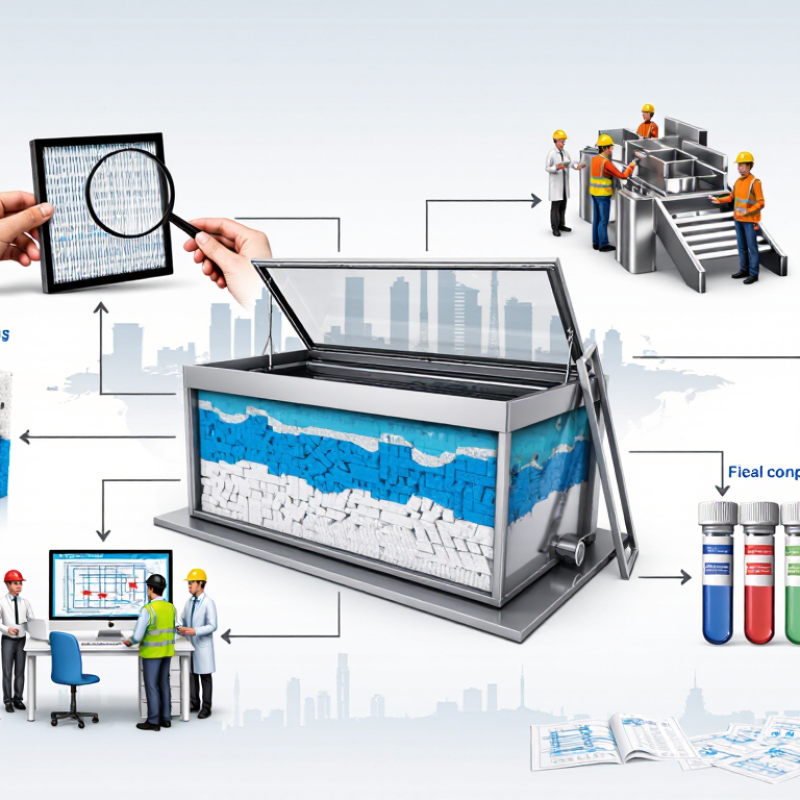
A moving bed biofilm reactor (MBBR) uses small plastic carriers to grow microorganisms that break down organic matter and nutrients in wastewater. Aeration or mixing keeps the carriers moving, while screens prevent them from leaving the tank. That matters. The process can add biological treatment capacity without requiring the same footprint as some conventional upgrades, but results depend on oxygen supply, temperature, wastewater strength, and carrier movement.
For global buyers, supplier comparisons should go beyond tank size and the number of carriers offered. Ask for the media’s protected surface area, recommended filling ratio, screen design, and oxygen-transfer assumptions. Compare these details against the site’s peak flows and influent data. More media is not always better; overcrowding can restrict movement and reduce effective contact.
Request performance records from installations handling similar wastewater, and check whether stated results came from full-scale operation or controlled testing. Pilot data helps. A practical specification should also address access for cleaning, spare parts, and operator training. These details are easy to overlook when a quotation focuses mainly on equipment price.

A dependable MBBR filter manufacturer should explain how its design matches your wastewater, not just quote a reactor volume. Ask for the recommended carrier fill fraction, protected surface area, and target loading rates. These figures should relate to your influent data, including BOD, ammonia, temperature, and daily flow variation. Numbers matter. Request test conditions and operating references from facilities with similar treatment goals. A polished brochure is useful, but it cannot replace clear assumptions and verifiable performance records.
Check whether the supplier can support commissioning, operator training, and replacement screens or diffusers. Confirm that quoted capacity includes realistic safety margins; an undersized system may struggle when loads fluctuate. Compare warranty terms and response times, not just purchase prices. One detail buyers sometimes overlook is whether the proposed media remains accessible for inspection. I would not judge a supplier by one impressive removal figure alone. Results depend on process conditions, and even a well-built filter needs sound operation.
MBBR filter manufacturers serving global buyers need to offer more than a vessel and moving media. Reliable systems depend on matching tank volume, water flow, media fill ratio, and aeration to the treatment goal. A buyer reviewing a proposal should be able to see these assumptions clearly, not just a headline capacity figure.
Practical manufacturers provide drawings, material specifications, and operating guidance that engineers can check. Ask how the media is retained, how air is distributed, and what inspection access is available. Small details matter: a poorly placed screen can collect debris, while uneven aeration may leave media moving weakly in one corner. Site conditions vary. Good guidance should reflect that.
Export experience also involves careful packing, consistent documentation, and responsive technical communication across time zones. Request test records or references for comparable applications, while checking what those records actually demonstrate. A tidy datasheet is useful, but it may not explain performance with changing influent quality. That gap deserves a direct question. Manufacturers that discuss limits, maintenance needs, and commissioning support openly are often easier to assess than those promising effortless operation. Buyers should also confirm that proposed materials suit the water chemistry and local operating environment before placing an order.
Top MBBR Filter Manufacturers for Global Buyers: Comparing Product Quality, Certifications, and Technical Support
When comparing MBBR filter manufacturers, look beyond media shape and advertised surface area. Ask for material specifications, dimensional tolerances, and test data showing buoyancy and resistance to wear. A sample can reveal sharp edges, uneven molding, or inconsistent wall thickness. Small details matter. Request production-batch records, too, since one good sample cannot prove consistent supply. I would not treat a polished brochure as proof of long-term performance.
Tips: Check that certificates are current and cover the actual product or facility being evaluated. Confirm the issuing body and certificate scope; a logo alone is weak evidence. Ask for installation guidance, operating limits, and clear warranty terms in writing.
Technical support should include practical help before and after delivery. Share wastewater characteristics, flow rates, tank dimensions, and treatment goals, then see whether the supplier asks useful questions. Strong support may cover media loading, startup, troubleshooting, and replacement planning. Ask about response times and spare-part availability. Some suppliers answer quickly before an order, then become harder to reach. That is worth testing early. No checklist removes every risk, but documented quality controls and specific technical answers make comparisons more reliable.
| Comparison Dimension | What Buyers Should Compare | Evidence to Request | Practical Evaluation |
|---|---|---|---|
| Carrier material | Polymer type, material specification, and suitability for the intended wastewater and operating conditions. | Material datasheet, batch identification, and test documentation for relevant physical properties. | Check that the stated material and product dimensions are consistent across the quotation, drawings, and samples. |
| Carrier geometry and protected surface area | Shape, dimensions, internal structure, and the method used to report protected surface area. | Dimensioned drawings and a written definition of the surface-area value and its measurement or calculation basis. | Compare values only when suppliers use comparable definitions and test methods; nominal surface area alone does not establish treatment performance. |
| Product consistency and quality control | Dimensional consistency, visible defects, cleanliness, and controls applied during production. | Inspection criteria, sample inspection records, batch traceability, and documented procedures for nonconforming products. | Inspect samples and confirm that the production batch will be checked against the same agreed specifications. |
| Reactor screens and media retention | Screen opening size, screen layout, hydraulic considerations, and compatibility with the selected carrier. | Screen drawings, material specifications, and design information showing how media loss and flow restriction are addressed. | Verify screen details against the carrier dimensions and the reactor design rather than assessing the media by itself. |
| Process design support | Whether recommendations account for influent conditions, treatment objectives, reactor configuration, and operating assumptions. | A project-specific design basis, stated assumptions, and calculations or rationale for the proposed media quantity and arrangement. | Treat generic capacity claims cautiously; confirm that the design basis matches the project’s actual wastewater and operating conditions. |
| Quality management certification | A current ISO 9001 certificate may indicate that a quality management system has been assessed within a stated scope. | Certificate copy, certification body, validity dates, and the covered legal entity and activities. | Check the certificate’s scope and validity; ISO 9001 certification does not by itself certify MBBR product performance. |
| Environmental and occupational management | ISO 14001 relates to environmental management systems; ISO 45001 relates to occupational health and safety management systems. | Current certificates with the certified site, scope, and validity clearly identified. | Assess these as management-system credentials, not as proof of product quality, treatment results, or regulatory approval. |
| Market-specific product compliance | Applicable requirements depend on the destination market, product function, and any claims made for the product. | A compliance declaration identifying the applicable regulation or standard, product scope, and supporting documentation. | Do not assume that a CE mark is required or applicable to every wastewater product; verify the relevant EU legislation for the specific product. |
| Potable-water approvals, if relevant | Approvals intended for drinking-water contact are relevant only when the product’s use and destination requirements call for them. | The applicable approval or test report and confirmation that its scope covers the exact product and intended use. | NSF/ANSI/CAN 61 addresses health effects of drinking-water system components; it is not a general certification for wastewater MBBR media. |
| Technical support and commissioning | Availability of application engineering, installation guidance, start-up advice, and troubleshooting support. | Written support scope, response channels, language availability, and the proposed commissioning or training plan. | Clarify which services are included, which are remote or on-site, and whether travel or additional engineering fees apply. |
| References and warranty | Relevant project experience, warranty coverage, exclusions, and the process for handling defects or claims. | Reference projects with comparable applications, written warranty terms, and a documented claims procedure. | Confirm that references concern comparable treatment conditions and that warranty terms are stated in the purchase contract. |
| Export and delivery readiness | Packaging, shipping dimensions, delivery terms, documentation, and any destination-specific import requirements. | Packing list, shipping details, agreed Incoterm, lead-time confirmation, and required customs or product documents. | Compare quotations on the same delivery basis and confirm who is responsible for freight, insurance, customs clearance, and import charges. |
Note: This table is a buyer’s comparison framework, not a ranking or a claim about any specific manufacturer. Confirm certificates, product specifications, and regulatory requirements directly for the product and project under review.
Choosing an MBBR filter supplier starts with your wastewater, not a catalog. Share your average and peak flows, influent strength, temperature range, and discharge targets. Ask how the proposed design handles sudden load changes and seasonal variation. Request the design basis, including media type, protected surface area, fill ratio, aeration needs, and screen sizing. These details help you compare proposals on more than tank dimensions.
Check whether the supplier can provide material specifications, process drawings, operating guidance, and commissioning support. Ask for references from facilities with similar wastewater and treatment goals. Clarify who supplies blowers, controls, screens, and replacement media; gaps between packages can cause delays. A polished proposal is not proof of performance. Review its assumptions carefully, and consider whether a pilot test is practical when the influent data is uncertain. Small details matter.
Tips: Send recent wastewater test results, not estimates alone. Ask how operators will remove trapped solids and inspect screens. Confirm spare-part lead times and who responds when performance falls short. Keep one question open: what happens if actual loading differs from the design basis?