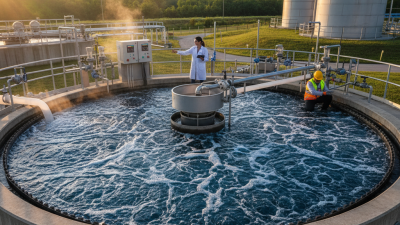
Top 10 Tips for Using Biofilters in Water Treatment Systems?
Biofilter for water treatment has gained significant attention in recent years. These systems use natural processes to remove contaminants, making them an eco-friendly solution. However, implementing biofilters effectively requires careful planning and execution.
Understanding how biofilters operate is key. They rely on microorganisms to break down pollutants. This biological treatment enhances water quality while minimizing chemical use. However, despite their advantages, some users face challenges. Issues may include clogging or insufficient microbial activity.
To optimize your biofilter for water treatment, consider practical tips. Monitoring water quality and adjusting flow rates are crucial. Regular maintenance can prevent problems and improve efficiency. Learning from experiences is essential for success. This guide offers valuable insights to help enhance your biofilter system.
Understanding Biofilters: What They Are and How They Work
Biofilters are essential components in modern water treatment systems. They serve as natural filters that utilize beneficial microorganisms to remove contaminants. These filters mimic processes found in nature, promoting a cleaner water supply.
Research by the Water Environment Federation shows that biofilters can significantly reduce pollutants. They can decrease nitrogen levels by up to 90%. Furthermore, they can remove up to 80% of phosphorus in treated waters. This makes them effective for both residential and industrial applications.
Despite their advantages, biofilters require careful monitoring. Factors such as temperature, flow rate, and carbon source greatly influence their performance. Regular maintenance is crucial to ensure that the microorganisms remain active. Some systems may not perform as expected if not properly managed. Ongoing studies highlight the importance of optimizing conditions to enhance efficiency. Understanding these dynamics is vital for achieving the best results in water treatment.
Choosing the Right Type of Biofilter for Your Water Treatment Needs
Choosing the right type of biofilter is crucial for effective water treatment. Biofilters can be distinct based on their design, materials, and intended applications. For instance, sand filters, often used for their cost-effectiveness, can remove particulates but might struggle with specific pollutants. On the other hand, membrane bioreactors offer greater efficiency but come with higher operational costs. According to industry research, biofilters can reduce contaminants by up to 90% if correctly matched to water quality needs.
When selecting a biofilter, understanding the specific contaminants is key. For example, activated carbon filters excel in removing organic compounds. In comparison, constructed wetlands are excellent for treating wastewater through natural processes. Studies indicate that choosing the wrong filter type may lead to inefficiencies. A mismatched system might only achieve 60% of the desired treatment. This underperformance highlights the importance of thorough research and understanding your water treatment goals.
It's also vital to consider the maintenance requirements of each biofilter type. Some systems may require more frequent maintenance, affecting overall costs. The long-term sustainability of a biofilter system is often overlooked. Systems that are not easily maintainable can lead to more significant issues down the line. These details contribute to the overall effectiveness and efficiency of your water treatment process.
Key Factors to Consider for Optimal Biofilter Performance
When it comes to optimizing biofilter performance in water treatment systems, several key factors play a vital role. The composition of the filter media is crucial. A balanced mix of materials supports diverse microbial communities, enhancing the process. Choosing the right media influences the efficiency and longevity of the biofilter.
Flow rate management is another essential factor. High flow rates can hinder contact time between water and microbes. This may reduce treatment effectiveness. Regular monitoring can help adjust flow rates for optimal performance. Adjusting parameters according to system needs is a constant challenge.
Maintaining proper oxygen levels is equally important. Insufficient oxygen can lead to anaerobic conditions, which negatively impact treatment outcomes. Implementing aeration methods ensures a stable environment for beneficial bacteria. Consider the biological diversity in your system. Diverse microbial populations can improve resilience and treatment efficiency.
Effective maintenance practices are also critical. Regular inspection and cleaning of biofilters can prevent clogging and ensure consistent performance. Timely addressing issues can keep the system running smoothly. Building a reliable water treatment operation requires continuous observation and adjustment.
Regular Maintenance Practices for Effective Biofilter Operation
Regular maintenance is crucial for effective biofilter operation. Consistent monitoring can prevent issues before they escalate. Regularly check for blockages in the filter media. Clogs can reduce water flow and filtration efficiency. Ensuring a clear path for water promotes better microbial activity.
It's essential to clean the biofilter periodically. Accumulation of debris can harm the microbial community. A balanced cleaning schedule might be every few months, depending on usage. Pay attention to the quality of the water entering the system. Poor water quality can lead to an overwhelmed biofilter.
Another critical aspect is testing the water regularly. Monitoring parameters like pH, ammonia, and nitrate levels helps gauge the biofilter's performance. If imbalances arise, you may need to adjust your approach. Keep in mind that even a well-maintained biofilter can face unexpected challenges. Always be prepared for adjustments to the maintenance routine.
Common Challenges and Solutions in Biofilter Systems
Biofilters play a crucial role in water treatment systems, yet they come with common challenges. One significant issue is maintaining optimal flow rates. High flow can overwhelm the biofilter, reducing its efficiency. Adjusting inflow rates can mitigate this issue, allowing for better microbial activity within the filter material. Tweaking these parameters requires careful monitoring and adjustment.
Another challenge is ensuring the right balance of nutrients and oxygen for microorganisms. Imbalances can lead to poor treatment outcomes. Regular testing of water parameters, such as oxygen levels and nutrient concentrations, is essential. Engaging experts in microbial ecology can provide deeper insights into improving your system's performance.
When dealing with biofouling, it is vital to address the buildup of biomass. This can impede water flow and reduce treatment efficacy. Implementing a scheduled maintenance plan prevents excessive buildup. Regularly cleaning and backwashing your biofilter can keep the system functioning optimally. Adopting these strategies not only enhances system reliability but also increases long-term sustainability.
Top 10 Challenges and Solutions in Biofilter Systems

 +86 13600513715
 CONTACT NUMBER
 CONTACT NUMBER