What is Tubular Membrane Diffuser and Its Applications?
In the evolving field of wastewater treatment, the Tubular Membrane Diffuser stands out as a vital innovation. Dr. Emily Carter, a leading expert in membrane technology, emphasizes, “The Tubular Membrane Diffuser is essential for achieving optimal oxygen transfer.” This statement underscores the significance of this technology in enhancing aeration efficiency in treatment plants.
The Tubular Membrane Diffuser utilizes a porous membrane to facilitate gas exchange. It allows for improved aeration and reduced energy consumption. In many operational settings, its application has led to a marked reduction in operational costs. However, despite its advantages, there are challenges that practitioners face. Maintenance of the membrane is critical to ensure longevity and performance.
While the benefits of the Tubular Membrane Diffuser are notable, it isn’t a one-size-fits-all solution. Different conditions and water characteristics can affect its effectiveness. Continuous research and feedback are crucial to optimize its performance in varied environments. The journey toward perfecting this technology is ongoing, highlighting the need for collaboration and innovation in the industry.
Definition and Structure of Tubular Membrane Diffusers
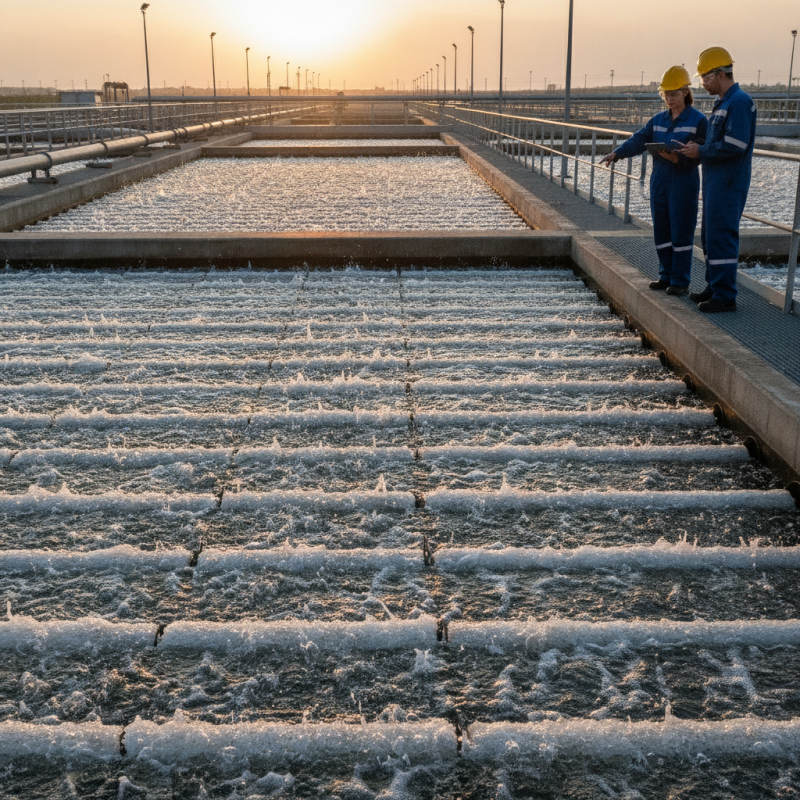
Tubular membrane diffusers are essential devices used in a variety of applications, particularly in wastewater treatment and aquaculture. These diffusers consist of a porous membrane housed in a tubular structure. The design allows for efficient transfer of air or gas into liquids, enhancing oxygenation. This process is crucial in maintaining healthy aquatic environments and wastewater processes.
A significant advantage of tubular membrane diffusers is their high oxygen transfer efficiency (OTE). According to industry data, many diffusers achieve OTEs greater than 30%. This efficiency helps to reduce energy costs and improve overall system performance. The materials used in these diffusers must withstand harsh conditions, including varying pH levels and temperatures. They are typically constructed from durable polymers to ensure longevity.
Tips: When selecting a tubular membrane diffuser, consider factors like the specific application, expected lifespan, and maintenance needs. Regular checks can prevent efficiency losses. In some setups, users may find that a different type of diffuser works better, reflecting the importance of adapting to specific environmental needs. Observation and adjustment can lead to improved outcomes.
Functionality of Tubular Membrane Diffusers in Treatment Processes
Tubular membrane diffusers play a crucial role in wastewater treatment processes. They introduce air into activated sludge systems, promoting biological degradation of organic matter. This method enhances oxygen transfer efficiency, a key factor in optimizing treatment performance. According to recent industry reports, these diffusers can achieve oxygen transfer rates exceeding 70%, significantly improving process effectiveness.
The functionality of tubular membrane diffusers lies in their structure. They consist of porous membranes that release fine bubbles into the treatment tank. These microbubbles increase the contact area for oxygen transfer, enhancing aerobic processes. Studies indicate that using tubular diffusers can reduce energy consumption by 30% compared to traditional methods, showcasing their efficiency.
Despite their advantages, tubular membrane diffusers have limitations. Membrane fouling can hinder performance and requires regular maintenance. Operators must choose the right materials to extend diffuser lifespan. Understanding system dynamics is crucial for optimizing diffuser layout. A thoughtful approach can lead to better performance and efficiency in treatment processes.
Types of Tubular Membrane Diffusers and Their Characteristics
Tubular membrane diffusers are essential in various water treatment processes. They come in different types, each designed for specific applications. The most common types include fine bubble and coarse bubble diffusers. Fine bubble diffusers create smaller bubbles. This increases the surface area for oxygen transfer. They are often used in aeration systems for wastewater treatment. Coarse bubble diffusers produce larger bubbles, which are effective in mixing and oxygenating larger volumes of water.
The materials used in tubular membrane diffusers impact their performance. EPDM and silicone are common materials. EPDM offers durability and resistance to chemicals. Silicone, on the other hand, provides higher flexibility. Selection depends on the operational environment and specific treatment goals. Some users may find that a diffuser does not work optimally under certain conditions. This highlights the importance of proper selection and maintenance.
Maintenance is crucial for ensuring longevity and efficiency. Over time, membranes can clog due to biofouling or mineral buildup. Regular inspection and cleaning can prevent significant drops in performance. Users sometimes overlook this aspect, leading to inefficiencies. Understanding the characteristics of each diffuser type helps optimize operations and improve treatment outcomes.
What is Tubular Membrane Diffuser and Its Applications?
| Type of Tubular Membrane Diffuser |
Material |
Pore Size (μm) |
Applications |
Operational Temperature (°C) |
| Silicone Tubular Membrane |
Silicone |
20-50 |
Wastewater Treatment |
-20 to 60 |
| Polyurethane Tubular Membrane |
Polyurethane |
30-100 |
Aquaculture |
0 to 70 |
| PTFE Tubular Membrane |
PTFE |
1-5 |
Gas Transfer |
-50 to 250 |
| Nylon Tubular Membrane |
Nylon |
5-20 |
Industrial Waste Treatment |
-10 to 50 |
| EPDM Tubular Membrane |
EPDM Rubber |
10-40 |
Biological Treatment Systems |
-20 to 60 |
Applications of Tubular Membrane Diffusers in Various Industries
Tubular membrane diffusers play a vital role in various industries. They are widely used in wastewater treatment plants for aeration. The design allows for efficient oxygen transfer, resulting in improved biological processes. They help to enhance the growth of microorganisms, crucial for breaking down organic matter.
Many industries leverage these diffusers for their flexibility. For instance, aquaculture uses them to maintain optimal oxygen levels in fish farming tanks. This ensures a healthy environment for aquatic life. In addition, they are used in food processing for fermentation processes, which require precise oxygen management.
Despite their advantages, reliance on tubular membrane diffusers isn't without challenges. Maintenance can be a concern, as blockages may occur. Regular monitoring is essential to ensure optimal performance. Operators must also consider the diffuser's lifespan, which can vary based on usage and environmental factors. Finding the right balance between efficiency and longevity requires careful planning.
Advantages and Challenges of Using Tubular Membrane Diffusers
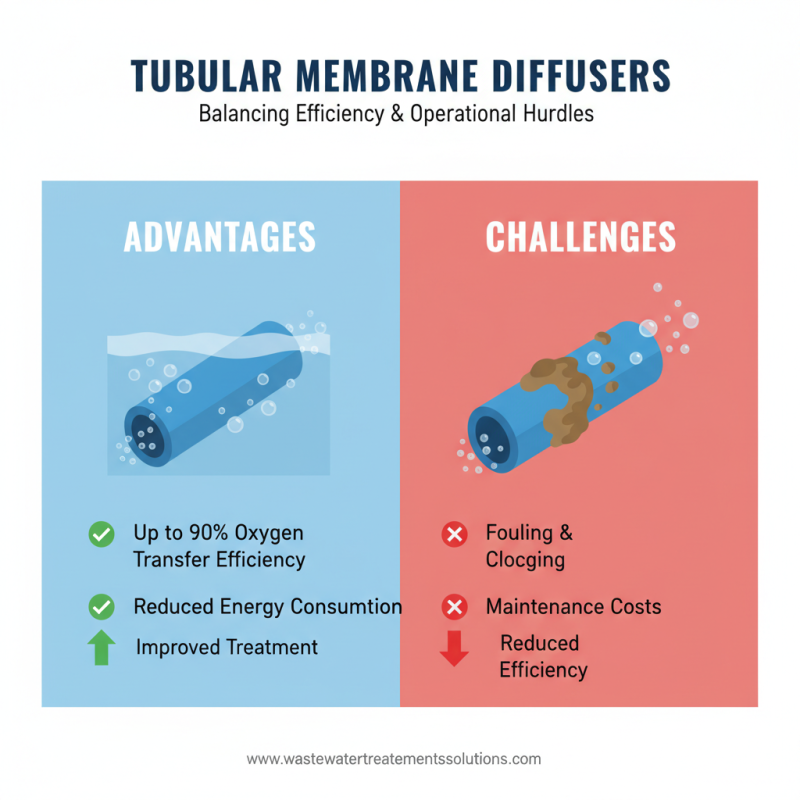
Tubular membrane diffusers are vital in wastewater treatment and aeration systems. They provide efficient oxygen transfer, promoting optimal microbial growth. The advantages of these diffusers are significant. Research indicates that they can achieve an oxygen transfer efficiency of up to 90%. This leads to improved treatment processes and reduced energy consumption.
However, challenges exist. The fouling of membrane surfaces can diminish performance. Regular maintenance is crucial to sustain efficiency. Additionally, the initial installation costs can be high. Operators must weigh these factors when considering tubular membrane diffusers.
**Tip:** Regularly monitor diffuser performance with periodic inspections. This can help identify fouling early, ensuring consistent operation.
While tubular membrane diffusers improve efficiency, they may not be suitable for all applications. Each facility's unique requirements must be assessed carefully. The need for skilled staff to maintain these systems can also present challenges. Careful planning and investing in training can mitigate these issues.
**Tip:** Create a maintenance schedule to prevent unexpected downtimes. Invest in staff training to enhance operational knowledge.

 +86 13600513715
 CONTACT NUMBER
 CONTACT NUMBER