Top Benefits of Disc Diffuser Aerators for Water Treatment?
In the water treatment industry, efficiency and effectiveness are paramount. As highlighted in the 2021 Global Water Treatment Market Report, technologies like the Disc Diffuser Aerator show great promise. These devices enhance oxygen transfer rates, resulting in improved water quality. According to Dr. Emily Hayes, a leading expert in wastewater treatment, "The implementation of Disc Diffuser Aerators can significantly reduce energy consumption and operational costs."
The growing focus on sustainability drives the need for advanced aeration systems. Disc Diffuser Aerators use unique designs to maximize surface area contact, which boosts oxygen levels. This technology proves beneficial for both municipal and industrial applications. However, one must consider various factors. The initial installation cost can be a barrier for smaller facilities.
Moreover, regular maintenance is vital for optimal performance. Without proper care, these systems can underperform, leading to inefficiencies. The success of a Disc Diffuser Aerator relies on its design and the expertise of operators. Balancing these elements can lead to better water treatment outcomes, reaffirming the value of investing in quality aeration solutions.
Key Features of Disc Diffuser Aerators in Water Treatment
Disc diffuser aerators are essential in water treatment processes. Their design allows for efficient air distribution, which enhances oxygen transfer in water. This feature is crucial in municipal wastewater treatment facilities and industrial applications. Studies indicate that disc diffuser aerators can achieve oxygen transfer rates of up to 30%. This efficiency reduces energy costs and improves treatment performance.
The performance of disc diffusers relies on their construction materials and design features. Typically made from resilient, corrosion-resistant materials, they ensure longevity even in harsh conditions. Additionally, the fine bubble size generated by these diffusers increases surface area contact with water, improving oxygen absorption. This is vital because oxygen supports the biological treatment processes essential for breaking down organic matter.
Despite these advantages, there are challenges with disc diffuser systems. Potential clogging can occur when solid particles in the water accumulate. Regular maintenance is required to maintain optimal operation. Moreover, the initial installation costs can be significant, requiring careful consideration from treatment plant managers. Understanding these factors enables a more informed decision-making process when selecting aeration solutions.
Advantages of Enhanced Oxygen Transfer Efficiency
Disc diffuser aerators are revolutionizing water treatment systems. These devices enhance oxygen transfer efficiency, which is crucial in supporting aquatic life. According to a study by the Water Environment Federation, these aerators can achieve up to 90% oxygen transfer efficiency under optimal conditions. This is significantly higher than traditional methods, which often range between 50% to 70%.
Enhanced oxygen transfer is essential for promoting aerobic microbial activity. This process breaks down organic waste effectively. Moreover, the improved aeration minimizes the risks of anaerobic conditions, which can lead to foul odors and harmful byproducts. Research indicates that facilities using disc diffusers can reduce energy consumption by up to 30%. This not only lowers operational costs but also supports sustainable practices in water management.
However, it’s crucial to consider the design and maintenance of disc diffuser systems. Improper installation can lead to inefficiencies and uneven oxygen distribution. Regular maintenance is needed to prevent clogging, which can adversely affect performance. Facilities must invest time in monitoring and adjustments to maximize benefits. Overall, while disc diffuser aerators present significant advantages, challenges still exist that require attention.
Impact on Nutrient Removal in Wastewater Treatment
Disc diffuser aerators play a critical role in wastewater treatment, especially concerning nutrient removal. Recent studies indicate that these systems enhance the oxygen transfer efficiency significantly. According to a 2021 report by the Environmental Protection Agency, technologies like disc diffusers can achieve oxygen transfer rates up to 15% higher than traditional methods. This increased efficiency leads to better nitrification and denitrification processes, essential for reducing nitrogen levels in wastewater.
The impact on nutrient management is evident. A study published in the Water Environment Research journal highlights that facilities using disc diffuser systems reported a 25% reduction in total nitrogen concentrations. This metric showcases the ability of disc diffusers to optimize aerobic bacteria's performance. Enhanced aeration enables these microorganisms to more effectively convert ammonia into nitrogen gas, thus alleviating eutrophication risks downstream.
However, implementation challenges exist. Some operators struggle with initial setup costs and maintenance complexities. These factors can detract from the overall efficiency gains. It's crucial for treatment facilities to weigh these factors against the long-term benefits of improved nutrient removal. While disc diffusers promise notable advantages, careful analysis and planning are required for successful integration.
Cost-Effectiveness and Maintenance Benefits
Disc diffuser aerators are gaining popularity in water treatment processes. They offer significant cost-effectiveness and maintenance benefits. The initial investment in these systems can be offset by their efficiency. Using less energy, they save money over time. This lower operational cost makes them appealing for various facilities.
Maintenance requirements can also be minimal. Regular checks and occasional cleaning can keep the diffuser functioning well. However, neglecting these tasks can lead to performance issues. Some operators may underestimate the importance of routine care. A well-maintained system not only lasts longer but runs more efficiently.
Additionally, disc diffusers are easy to install and can adapt to different water treatment needs. However, there can be challenges in troubleshooting when problems arise. Operators should be trained to handle potential issues promptly. Without proper knowledge, operational delays may occur. It's crucial to balance efficiency with the need for ongoing education and awareness.
Applications of Disc Diffuser Aerators in Various Water Systems
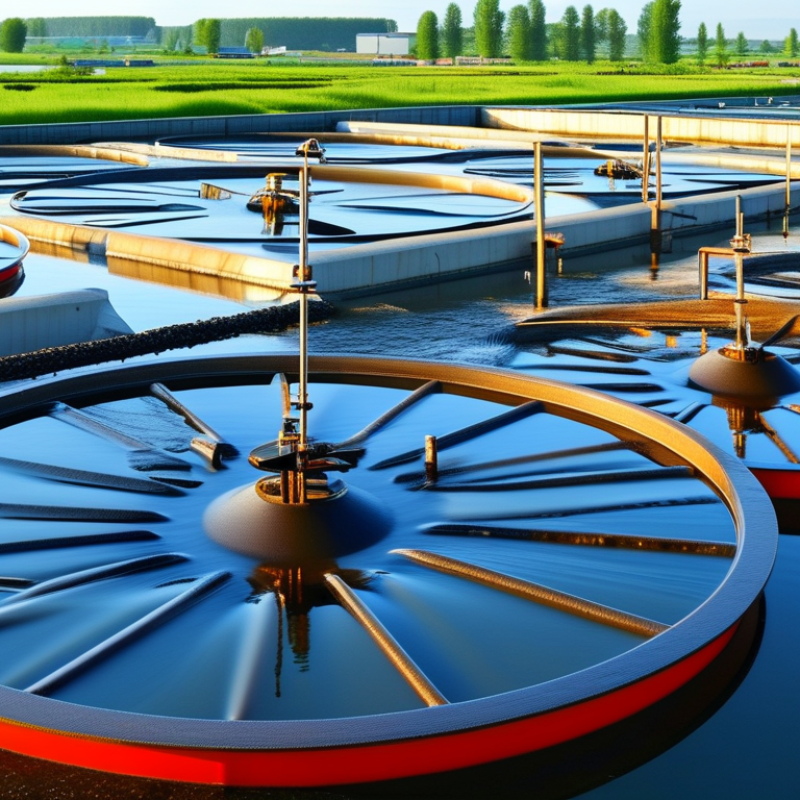
Disc diffuser aerators play a vital role in various water treatment systems. These devices are widely used in municipal wastewater treatment plants. They enhance oxygen transfer efficiency, essential for aerobic digestion. This process helps break down organic materials effectively. Many facilities experience improvements in odor control and overall water quality.
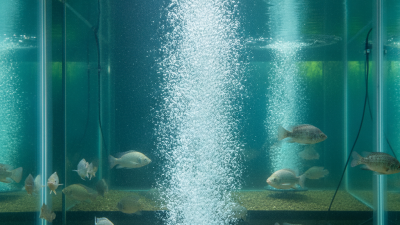
Industries also utilize disc diffusers in aquaculture. Maintaining optimal oxygen levels is crucial for fish and other aquatic species. These aerators support healthy growth and improve fish yields. Disc diffusers can be adapted to fit different tank sizes. They create fine bubbles, dispersing oxygen throughout the water column.
In stormwater management, disc diffusers reduce pollution. They facilitate aeration in retention ponds, promoting the breakdown of contaminants. By improving water clarity, these systems enhance ecosystem health. However, improper maintenance can lead to clogging. Regular checks are necessary to ensure their effective operation. Water treatment professionals must remain vigilant to maximize benefits.

 +86 13600513715
 CONTACT NUMBER
 CONTACT NUMBER