How to Choose the Right Lamella Plate Settler for Your Needs?
Choosing the right Lamella Plate Settler can significantly impact water treatment efficiency. In recent studies, over 70% of water treatment facilities reported improvements in sedimentation rates after using these systems. As industries strive for sustainable practices, Lamella Plate Settlers have emerged as critical components in enhancing water clarity and reducing space requirements.
Understanding the unique needs of your application is vital. Different designs cater to various operational capacities and influent characteristics. For example, facilities processing high turbidity levels may require settlers with larger plate areas. Conversely, facilities with lower sedimentation needs might benefit from compact designs. It’s essential to evaluate your specific requirements and industry standards.
While many options exist, not all Lamella Plate Settlers are created equal. Choosing a reputable manufacturer is crucial for ensuring reliability and performance. Caution must be exercised when selecting systems claiming high efficiency without robust testing data. Ultimately, careful consideration and informed decision-making are key to optimal water treatment solutions.
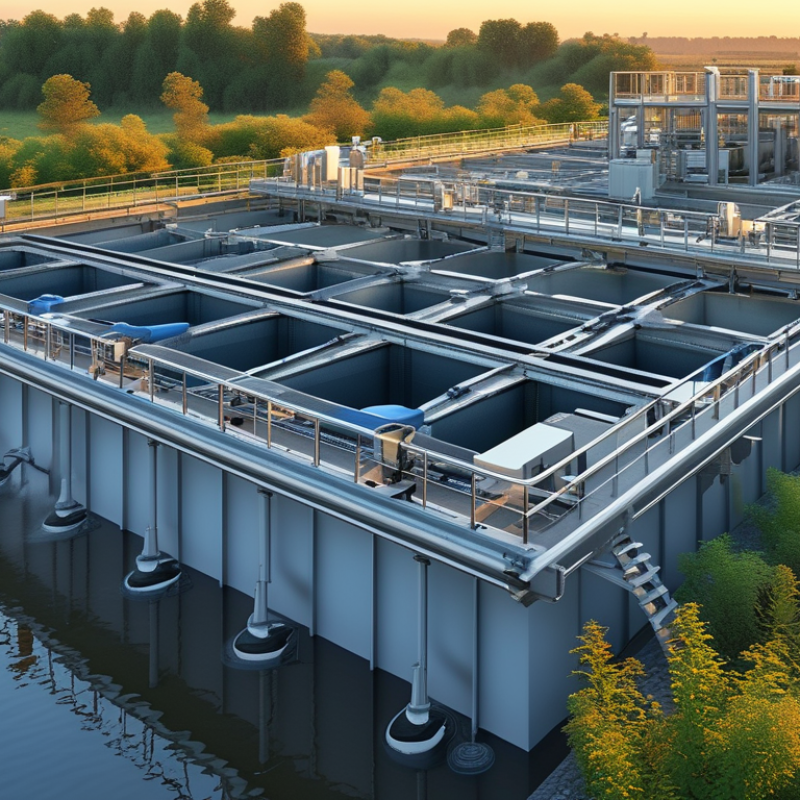
Understanding Lamella Plate Settlers and Their Applications
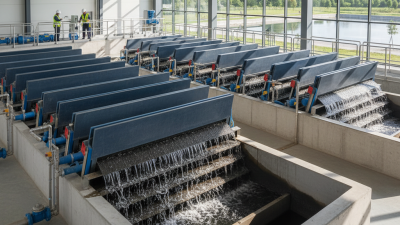
Lamella plate settlers, also known as inclined plate settlers, are vital in various industries for liquid-solid separation. These systems use gravity to sediment particles efficiently. They are widely used in wastewater treatment, mining, and potable water production. According to the Water Environment Federation, lamella plate technology can enhance sedimentation rates significantly, increasing efficiency by up to 50% compared to traditional methods. This improvement translates to a reduced footprint and lower operational costs.
Understanding the specific application is crucial when selecting a lamella plate settler. Factors such as flow rate, solid loading, and particle size distribution play vital roles. A report by the International Water Association indicates that customizable designs for lamella systems can meet unique industrial challenges. Proper attention to these details ensures effective performance and extends the equipment lifespan. However, not all systems perform uniformly in every setting, and miscalculations can lead to inefficiencies.
Maintenance and operational monitoring are essential for optimal functioning. Regular checks can prevent sediment build-up and ensure smooth operation. It's important to reflect on the implications of neglecting these practices. This oversight can compromise separation efficiency and increase costs over time. By balancing robust design and diligent maintenance, industries can achieve sustainable results with lamella plate settlers.
Key Factors to Consider When Selecting a Lamella Plate Settler
When selecting a lamella plate settler, several key factors come into play. The design of the plates is crucial. A steeper angle can enhance sedimentation efficiency, often exceeding 90% in ideal conditions. However, this performance can drop significantly in non-optimized systems. The spacing between plates should also be considered. Tight spacing often means higher throughput, but it may lead to clogging if the influent contains significant solids.
Flow rate is another vital aspect. Many studies indicate that exceeding particular flow rates reduces sedimentation effectiveness. A report found that maintaining a flow rate of 10 m³/h per square meter of plate area optimizes performance. Components like influent water quality and composition should not be overlooked. High turbidity and varying particle size can affect settling rates, creating complex challenges during operation.
Maintenance requirements play a role as well. Systems may require regular cleaning to prevent fouling, which can hinder overall effectiveness. Operational costs must be evaluated. A balance between upfront investment and long-term performance is important for overall sustainability. These factors combined can determine if a lamella plate settler meets your specific needs effectively.
Comparing Different Types of Lamella Plate Settlers on the Market
When selecting the right lamella plate settler, it's important to compare the various types available. Lamella plate settlers come in different designs, each suited for specific applications. Some settler types include static, adjustable, and custom models. Each type has its advantages depending on the needs of your process.
Tips: Look for settlers that fit your space. Limited areas may require compact designs. Also consider the type of solids you are settling. Different settlers handle different particle sizes effectively.
Another aspect to consider is material. Settlers made from corrosion-resistant materials are vital in harsh environments. Check for certifications as a sign of reliability. However, be cautious about over-specifying your needs. Sometimes flexibility can lead to better efficiency.
Tips: Always discuss your needs with a specialist. They can provide insights on the best settler type for your application. Testing in a pilot program may also reveal unexpected challenges.
Evaluating the Size and Capacity Requirements for Your Project
When selecting a lamella plate settler, evaluating size and capacity is crucial. Consider the volume of water needing treatment. A smaller project may require a unit with minimal capacity, while larger operations need robust systems. Calculate not only current needs but also future demands. Predicting growth can save costs later.
The size of a lamella plate settler affects its efficiency. A well-sized unit can enhance settling time and reduce footprint. Conversely, oversized systems may lead to inefficiencies. Examine the feed water quality. High turbidity levels may necessitate a larger settler. This may not be immediately apparent but impacts overall performance.
Think about available space and layout. Confined areas may limit size options. Sometimes, compromises happen. Analyze existing infrastructure before finalizing a choice. Reflect on past experiences with similar projects. Learning from mistakes can guide effective decision-making. Choosing the right settler requires meticulous thought, ensuring it aligns with project specifications and operational realities.
Maintenance and Operational Considerations for Lamella Plate Settlers
When considering maintenance for lamella plate settlers, attention to detail is crucial. Regular inspections help to identify wear and tear early. It's essential to check for blockages in the plates and ensure that sediments are properly discharged. Blockages can lead to inefficiencies and unexpected downtime. Operators should clean the system as needed, removing build-up that could hinder performance.
Operational considerations play a significant role in the longevity of lamella plate settlers. The flow rate must be monitored consistently to maintain optimal performance. Deviations from recommended rates can cause turbulence, reducing settling efficiency. Regularly reviewing operational data is important for identifying trends and potential issues. Implementing routine maintenance schedules can help ensure smooth operations and extend equipment lifespan.
Training personnel is also important. They should be familiar with best practices for operation and maintenance. This knowledge helps prevent mistakes that could lead to costly repairs. Additionally, keeping detailed records of maintenance will provide insights into reliability over time. Frequent communication among team members can also enhance problem-solving capabilities and lead to a more efficient operation.

 +86 13600513715
 CONTACT NUMBER
 CONTACT NUMBER