Leave Your Message

What is Pp Tube Settler and How Does It Work?

In the realm of water treatment, the "Pp Tube Settler" has emerged as a vital innovation. Renowned expert Dr. Jane Smith once stated, “The effectiveness of Pp Tube Settlers in enhancing sedimentation processes is remarkable.” This technology streamlines the separation of solids from liquids, thereby promoting efficiency in various settings, from industrial applications to municipal water systems.

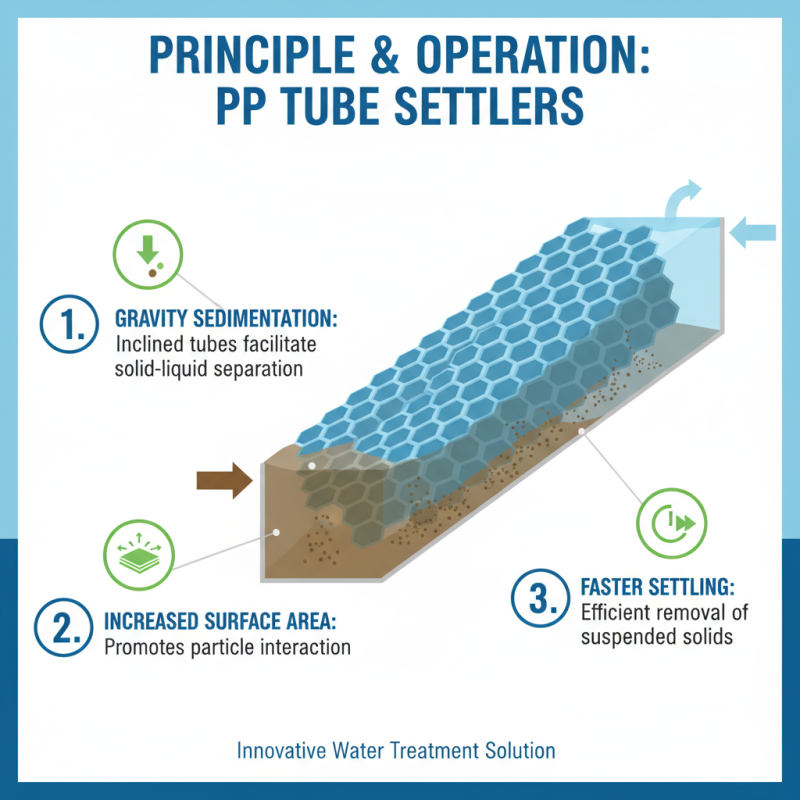
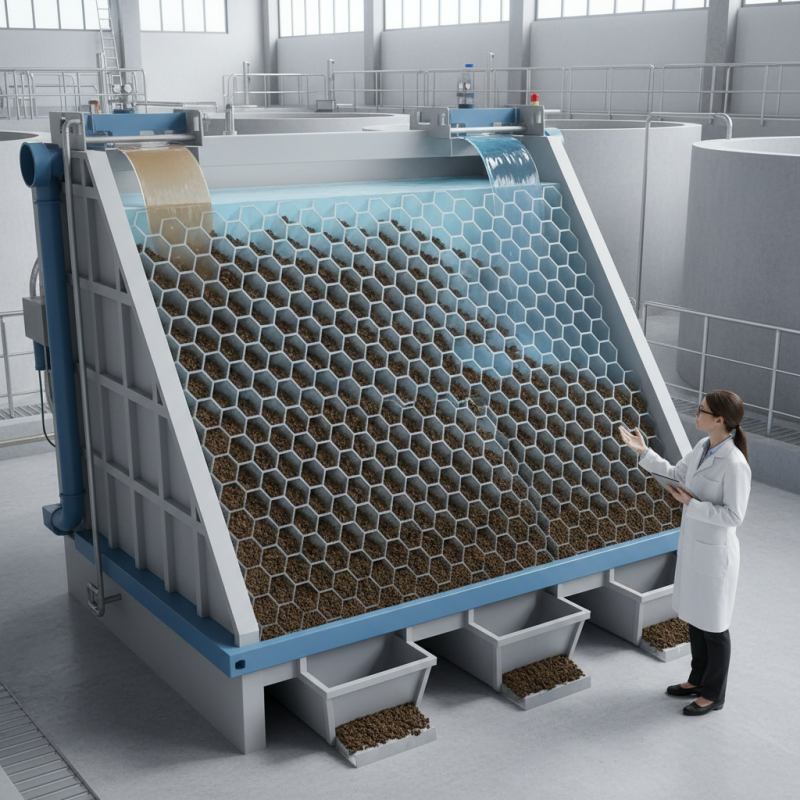
Essentially, a Pp Tube Settler is a compact and effective solution that utilizes a series of inclined tubes. Water enters the settler, and as it flows through these tubes, solids settle at the bottom, clarifying the water above. This process not only saves space but also reduces the plant's operational costs. Many operators acknowledge the need for improvements in existing systems.

Some challenges remain, such as potential clogging issues and the need for regular maintenance. Understanding these factors is crucial for maximizing the benefits of Pp Tube Settlers. With ongoing advancements and expert insights, the future of this technology appears promising.
What is Pp Tube Settler and How Does It Work?

What is a PP Tube Settler?

PP tube settlers are innovative devices used in wastewater treatment and sedimentation processes. These structures are typically made of high-density polypropylene, a material known for its durability and chemical resistance. Their design features numerous tubes arranged closely together, creating a large surface area for settling particles. By promoting efficient gravity separation, tube settlers enable more effective treatment of liquids.

The functioning of a PP tube settler relies on gravity. As wastewater flows through the tubes, heavier solids settle at the bottom. This process is significantly enhanced by the slope of the tubes, allowing settled materials to be easily removed. Users often appreciate the high efficiency offered by these settlers, as they can reduce the need for larger sedimentation tanks. However, some facilities may encounter challenges. Tube blockages can occur if influent quality is poor, requiring regular maintenance and adjustments.

In practice, it’s essential to monitor the performance and maintenance of PP tube settlers to ensure optimal operation. While these systems show great promise in water treatment, users should consider factors like influent characteristics and flow rates. Effective implementation can lead to substantial improvements in sedimentation, but potential issues must be carefully managed to avoid inefficiencies. Understanding the intricacies of PP tube settlers is key to their successful application.
Principle of Operation for PP Tube Settlers

What is Pp Tube Settler and How Does It Work?

PP Tube Settlers are an innovative solution in the realm of water treatment. They operate on a principle that maximizes sedimentation efficiency. The design features tubes inclined at a specific angle. This facilitates the separation of solids from liquids through gravity. The larger surface area promotes effective interaction among particles, enabling faster settling.

Data from industry reports indicate that tube settlers can significantly enhance the sedimentation rate. The efficiency can reach over 90% in some cases. This stands in stark contrast to traditional settling techniques, which often achieve lower performance. The design also ensures a smaller footprint, making it ideal for urban water treatment facilities facing space constraints.

Tip: Regular maintenance of PP Tube Settlers is crucial. Ensure the system remains free from obstructions for optimal performance. It is also beneficial to monitor sediment levels consistently. This practice can help identify any changes in settling efficiency early on.

While the efficacy of tube settlers is well-documented, not all installations yield the expected results. Factors like incorrect installation or design flaws can hinder performance. Continuous assessment and fine-tuning of operational parameters can lead to improvements. Evaluating the specific conditions of your facility is essential for maximizing the benefits of PP Tube Settlers.

Benefits of Using PP Tube Settlers in Water Treatment

PP Tube Settlers have gained prominence in water treatment due to their efficiency in enhancing sedimentation processes. These settlers utilize a series of inclined tubes, promoting the settling of particles. Reports highlight that they can increase sedimentation rates by up to 50%. This efficiency translates to significant cost savings in water treatment facilities.

The benefits of PP Tube Settlers extend beyond mere efficiency. They occupy less space than traditional sedimentation tanks. This spatial efficiency is crucial, especially in urban areas where land is valuable. Additionally, these settlers can reduce the energy required for water treatment, aligning with sustainability goals. However, operational challenges exist. Maintaining optimal flow rates is vital to ensure the effectiveness of the settlers. Failure to monitor this can lead to reduced performance.

Another advantage is their ability to enhance water clarity. Studies indicate that water treated with tube settlers often meets stricter regulatory standards. This clarity can improve overall public health outcomes. Yet, the initial installation cost can be a deterrent. Facilities must weigh these upfront costs against long-term savings. Regular assessment and adaptation of the system ensure ongoing effectiveness and compliance with evolving water quality regulations.

Applications of PP Tube Settlers in Various Industries

PP tube settlers play a crucial role across various industries. Their design promotes efficient sedimentation, making them ideal for water treatment plants. In these plants, tube settlers enhance the settling process of suspended solids. Their compact structure allows for high-density packing, which improves overall performance without requiring excessive space.

In the food and beverage sector, PP tube settlers help clarify liquids. They efficiently separate solids from liquids in processes like brewing and juice production. This clarity is essential for ensuring product quality. However, challenges may arise in maintaining optimal conditions, as fouling can occur over time. Regular inspections and maintenance are necessary to uphold their effectiveness.

Municipal wastewater treatment also benefits from PP tube settlers. They assist in removing contaminants, supporting the overall treatment process. Their ability to enhance sedimentation means reduced operational costs and improved effluent quality. Yet, the need to monitor the system’s efficiency remains vital. Routine checks can prevent issues that compromise performance, making it crucial to stay proactive.

Applications of PP Tube Settlers in Various Industries

Maintenance and Installation Considerations for PP Tube Settlers

What is Pp Tube Settler and How Does It Work?

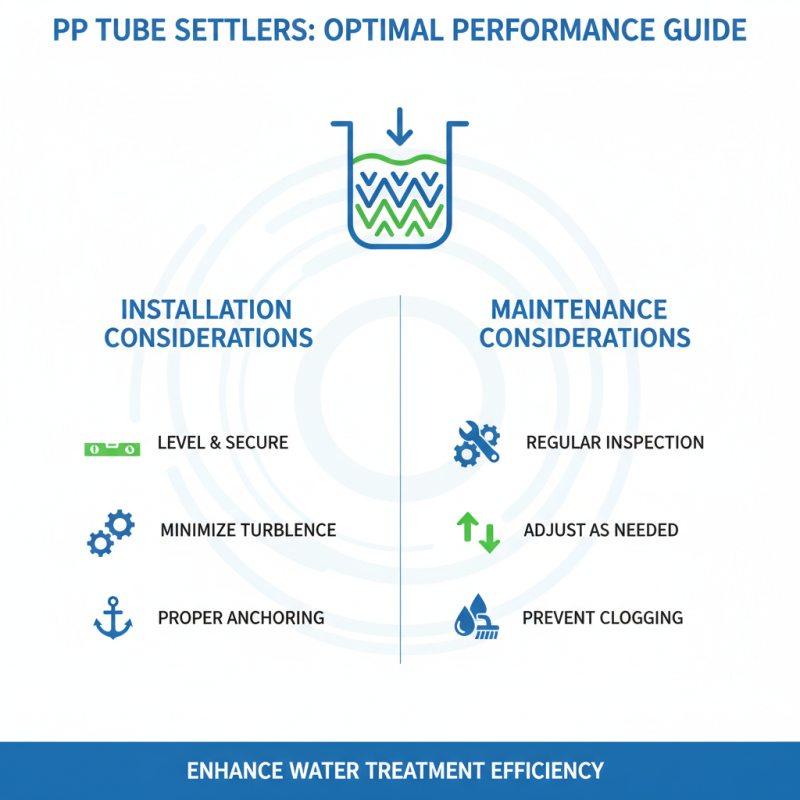
PP tube settlers are essential in water treatment facilities, enhancing sedimentation. Proper maintenance and installation are crucial for optimal performance. A well-designed installation minimizes turbulence and maximizes settling efficiency. Ensure that the tube settler modules are level and securely anchored. Adjustments after installation may be necessary, as settling characteristics can change.

Regular maintenance is key. Inspect the system for blockages or debris. Clean the settling tubes periodically to prevent fouling. A buildup of materials can hinder flow and affect efficiency. Replace worn or damaged components promptly to maintain the system's integrity.

Tips: Use a soft brush for cleaning tubes. Avoid harsh chemicals that could damage the material. Also, check the alignment regularly. Misalignment can lead to uneven flow and reduced efficiency. Keep a maintenance log to track issues and solutions. This can improve your overall management of the system.