Top MBBR System for Wastewater Treatment in China Best Options?
In recent years, China has faced significant challenges in wastewater management. The growth of urban populations and industries has intensified the demand for effective treatment solutions. Among these, the MBBR system for wastewater treatment has gained popularity due to its efficiency and flexibility. According to a report by ResearchAndMarkets, the global market for wastewater treatment is expected to grow at a CAGR of over 5% from 2021 to 2026. With the increasing emphasis on environmental sustainability, MBBR systems offer a viable option for meeting regulatory standards.
Experts have noted that MBBR technology provides advantages over traditional methods. Its compact design allows for improved space utilization, while maintaining high treatment efficiency. However, some challenges remain. Optimization of operational parameters is crucial for maximizing performance. Studies indicate that improperly maintained systems can lead to suboptimal results. Therefore, comprehensive training for operators is essential.
The journey towards effective wastewater treatment in China is ongoing. The MBBR system for wastewater treatment stands as a promising solution, but it requires further innovation and refinement. Stakeholders must evaluate their specific needs and consider both benefits and limitations. By doing so, they can harness the full potential of MBBR technology in the quest for a cleaner environment.
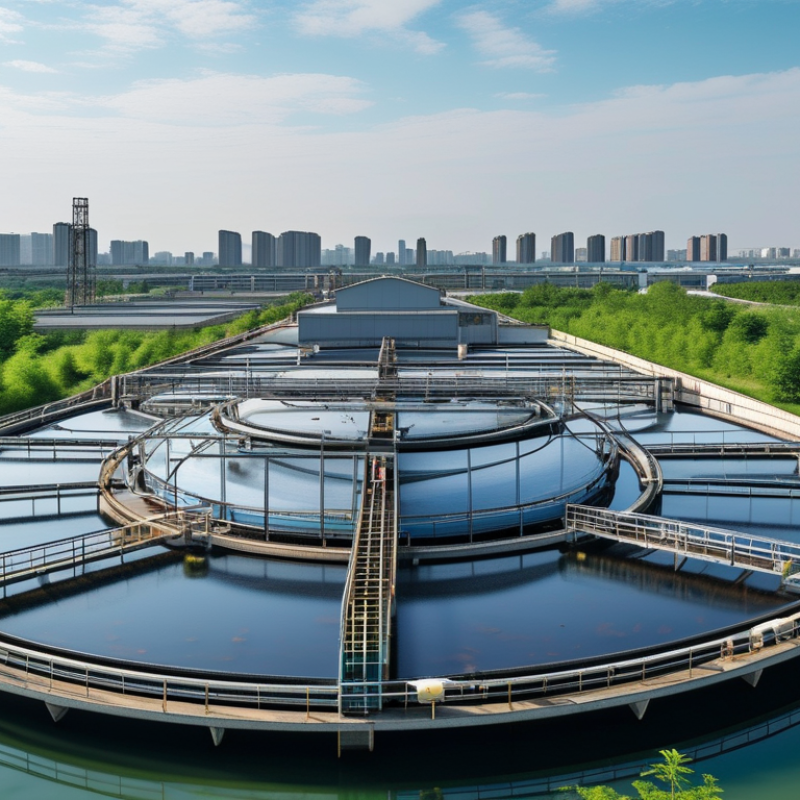
MBBR System Overview: Mechanism and Advantages in Wastewater Treatment
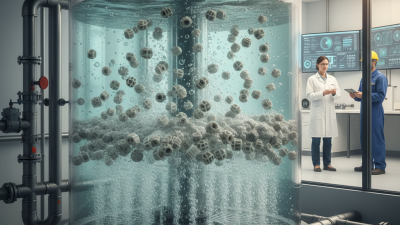
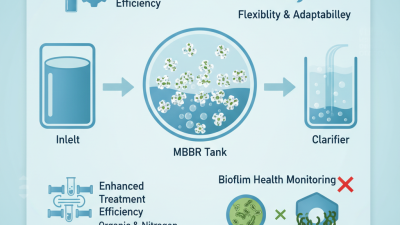
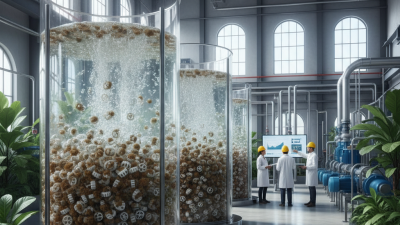
The Moving Bed Biofilm Reactor (MBBR) system has emerged as a vital technology for wastewater treatment in China. This system utilizes plastic carriers that support biofilm growth. These carriers move throughout the reactor, providing a large surface area for microbial communities. As reported in a recent industry study, MBBR systems can achieve a removal efficiency of up to 90% for biochemical oxygen demand (BOD) and total suspended solids (TSS). This efficiency makes MBBR a popular choice for treating industrial and municipal wastewater.
One key advantage of MBBR is its operational flexibility. It can adapt to varying loads and is suitable for small to large-scale applications. Furthermore, the system has a smaller footprint compared to traditional treatments. An industry report indicated that MBBR systems require approximately 30% less space. However, initial costs can be higher. Operators must weigh these factors when considering MBBR deployment. The balance between efficiency, cost, and space is complex. Continuous monitoring of performance is critical to maximize the benefits.
The MBBR system's resilience under fluctuating conditions is noteworthy. It can handle shock loads effectively, which is vital for maintaining compliance with environmental regulations. Nonetheless, reliance on biofilm can be a two-edged sword; if the biofilm detaches, performance may decline. Therefore, proper management and regular assessments are essential to ensure the system operates optimally. Ongoing research and reports are addressing these challenges as the industry evolves.
Current Regulatory Framework for Wastewater Treatment in China
China has made significant strides in wastewater treatment regulations in recent years. The country faces major environmental challenges due to rapid urbanization and industrial growth. Therefore, the regulatory framework aims to address these issues through strict standards and guidelines. Local governments are now required to implement advanced technologies.
In this evolving landscape, the adoption of Moving Bed Biofilm Reactor (MBBR) systems may become crucial. These systems offer a flexible solution that aligns with governmental policies. Many facilities seek efficient methods for nutrient removal and resource recovery. However, compliance with local regulations can be tricky. The variance among different regions complicates this process.
Industry players must stay updated on regulatory changes. This knowledge is vital for designing effective wastewater treatment solutions. Moreover, not all existing systems meet current standards. This reality calls for evaluation and potential upgrading of older facilities. Investing in innovation can mitigate risks associated with non-compliance. It's essential to recognize that standards will likely intensify in the future.
Market Leaders in MBBR Technology: A Comparative Analysis
The Moving Bed Biofilm Reactor (MBBR) technology has gained prominence in wastewater treatment across China. A comparative analysis of market leaders reveals important insights. Many regions face challenges with aging infrastructure. Thus, the adoption of MBBR systems can significantly improve treatment efficiency while minimizing operational costs.
Different companies excel in various features of MBBR systems. Some focus on biofilm media quality, which enhances microbial growth. Others prioritize system scalability, catering to both small and large facilities. Performance metrics, like nitrogen removal efficiency, vary widely. Hence, it is crucial for stakeholders to analyze these aspects carefully.
Despite the advancements, some issues remain unresolved. The effectiveness of MBBR can be inconsistent under certain conditions. Temperature fluctuations and fluctuating flow rates may hinder performance. A thorough understanding of site-specific characteristics is essential. Decision-makers must weigh the advantages against potential limitations to ensure optimal performance.
Performance Metrics: Efficiency of MBBR Systems in Diverse Conditions
The Moving Bed Biofilm Reactor (MBBR) technology has gained traction in China for wastewater treatment. This system offers several benefits, including a smaller footprint and improved efficiency. According to a recent report from the Water Environment Federation, MBBR systems can achieve up to 90% removal rates of Biological Oxygen Demand (BOD) under optimal conditions. This underscores their effectiveness in urban wastewater management.
Performance variations arise from different environmental factors. For instance, temperature fluctuations and influent characteristics can impact system efficiency. Research indicates that MBBR systems perform best within a temperature range of 10°C to 30°C. Operating outside this range can lead to inefficient biofilm development. In moderate climates, the systems show a consistent nitrification rate, yet in extreme conditions, there can be notable declines in overall performance.
While MBBR systems excel in various conditions, they are not without challenges. Maintenance of biofilm thickness is crucial, as too thick biofilms can lead to mass transfer limitations. Data from the International Water Association indicates that 15-30% of MBBR systems face operational difficulties related to biofilm control. Continuous monitoring is essential to ensure optimal functionality, highlighting the need for ongoing research and development within the industry.
Cost-Benefit Analysis: Investment vs. Long-term Savings with MBBR Systems
The cost-benefit analysis of MBBR (Moving Bed Biofilm Reactor) systems in wastewater treatment reveals significant advantages. Initial investments in MBBR technology can be high, often ranging from $500,000 to $2 million. However, these systems provide operational efficiencies that can lead to considerable long-term savings. For instance, reports suggest that MBBR systems can reduce energy consumption by up to 30%. This translates into lower utility bills and a shorter return on investment timeline.
Furthermore, the compact nature of MBBR systems allows for smaller footprint requirements. This is crucial in densely populated areas where space is limited. Depending on the installation, land acquisition costs can be reduced by approximately 20%. Additionally, MBBR systems are known for their resiliency to varying organic loads. This adaptability can minimize operational disruptions, further enhancing their cost-effectiveness in the long term.
However, not all MBBR installations succeed. Some facilities report challenges like biofilm detachment or ineffective mixing. These issues can lead to operational costs that undermine initial savings. Thus, thorough planning and expert consultations are vital before implementation. Balancing the high upfront costs and the potential for future savings is an ongoing challenge that wastewater management professionals must navigate.
Cost-Benefit Analysis of MBBR Systems for Wastewater Treatment

 +86 13600513715
 CONTACT NUMBER
 CONTACT NUMBER