What is a Disc Diffuser Aerator and How Does It Work?
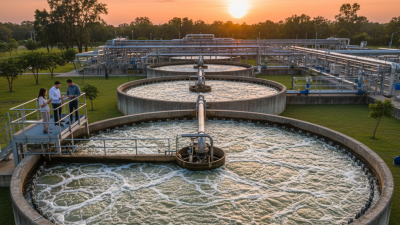
Disc Diffuser Aerators are vital in wastewater treatment processes. These devices ensure efficient oxygen transfer in aeration tanks. According to a report from the Water Environment Federation, effective aeration systems can improve overall treatment efficiency by 30%. This statistic underscores the importance of choosing the right aeration technology.
The operation of a Disc Diffuser Aerator is straightforward. It releases small air bubbles into the water, increasing the contact area for oxygen absorption. This method increases the dissolved oxygen levels significantly, leading to enhanced biological treatment. Studies show that systems using Disc Diffuser Aerators outperform traditional methods in oxygen transfer efficiency.
However, there are challenges to consider. The performance of Disc Diffuser Aerators can decline due to fouling or wear over time. Regular maintenance is essential to ensure optimal functionality. While these devices are effective, finding an ideal balance between costs and performance remains a concern for many wastewater facilities.
What is a Disc Diffuser Aerator?
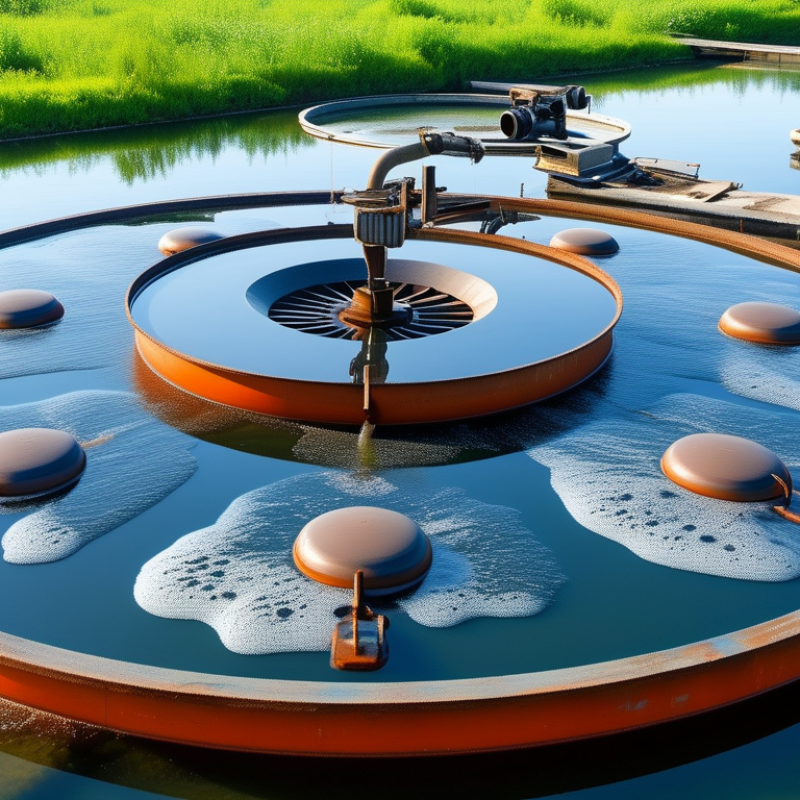
A disc diffuser aerator is a device widely used in wastewater treatment and aquaculture. It helps optimize oxygen transfer by dispersing air into the water through a porous disc. This method is efficient and effective, ensuring better aquatic environments. The disc’s design allows for finer bubbles, which increases the surface area for oxygen exchange.
Tips: Regular maintenance is crucial for optimal performance. Clean the discs to prevent clogging. Monitor the air supply to maintain consistent oxygen levels.
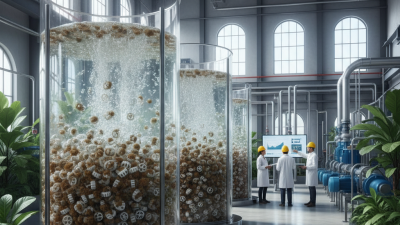
These aerators work on the principle of creating tiny bubbles that rise through the water. As bubbles ascend, they release oxygen, enhancing water quality. This process fosters anaerobic bacteria, which are vital for breaking down organic matter.
Tips: Be aware of over-aeration. It can lead to excessive turbulence and disrupt aquatic life. Balance is key. Ensure the system aligns with the specific needs of your environment.
Components of a Disc Diffuser Aerator
A Disc Diffuser Aerator is an essential tool in wastewater treatment. It uses a system of components that work together to introduce air into water. Understanding these components is crucial for optimizing aeration efficiency.
The core of a disc diffuser system is the air distribution pipe that supplies air to multiple diffusers. These diffusers are typically made of a porous material, allowing for fine bubbles to form when air passes through. This maximizes the contact area between air and water. According to industry reports, efficient oxygen transfer can reach up to 90% in well-designed systems.
Another vital part is the back-pressure valve. This ensures that the airflow is consistent, even when the system experiences variable pressure. Maintenance of these valves is critical, as clogs can significantly reduce efficiency. Regular inspection can reveal issues that may not be immediately apparent, such as uneven air distribution. A properly functioning diffuser system can greatly enhance treatment performance, yet many facilities overlook the importance of regular checks.
What is a Disc Diffuser Aerator and How Does It Work? - Components of a Disc Diffuser Aerator
| Component |
Description |
Material |
Function |
| Diffuser Plate |
Holds the air holes to release bubbles in water. |
EPDM Rubber |
Disperses air into fine bubbles, increasing oxygen transfer efficiency. |
| Support Frame |
Structure that holds the diffuser plate in place. |
Stainless Steel |
Provides stability and support to the diffuser system. |
| Air Supply System |
Pipes and pumps that deliver air to the diffuser. |
PVC or Steel |
Ensures sufficient air pressure for optimal operation. |
| Check Valve |
Prevents backflow of water into the air supply. |
Plastic or Stainless Steel |
Protects the air supply system from contamination. |
How Does a Disc Diffuser Aerator Work?
A disc diffuser aerator is essential in wastewater treatment. It helps deliver oxygen efficiently to aquatic environments. The technology significantly enhances the oxygen transfer rate (OTR), which is crucial for aerobic organisms. According to industry reports, OTR can reach up to 35% higher with disc diffusers compared to traditional methods.
Understanding how this system works is straightforward. Air is pumped through the disc diffuser, creating fine bubbles. These bubbles maximize the surface area for oxygen absorption. The process relies on gravity and the properties of water. Depth impacts performance; deeper settings usually yield better OTR. However, water depth can make maintenance difficult. Regular assessments are necessary to ensure optimal functioning.
Tip: When installing a disc diffuser, consider the surrounding environment. Factors like water temperature and flow rate influence efficiency. Regular monitoring helps adjust parameters, ensuring the system operates effectively over time. Keep an eye on wear and tear; timely maintenance can prevent costly downtime.
Applications of Disc Diffuser Aerators in Wastewater Treatment
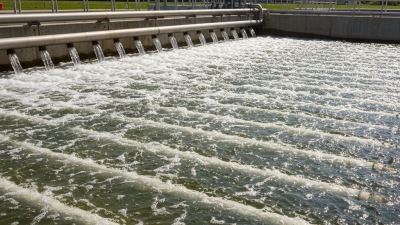
Disc diffuser aerators play a crucial role in wastewater treatment, enhancing the efficiency of oxygen transfer. These devices are often submerged in treatment tanks, releasing fine bubbles into the water. The bubbles create a large surface area, facilitating oxygen absorption by the microorganisms that break down organic waste. This process is vital for maintaining the biological balance in treatment plants.
In various applications, disc diffuser aerators prove effective in activating sludge systems. They help improve the decomposition of organic material, aiding in clearer effluent. Each aerator's design might differ, but ensuring proper installation and maintenance is essential. Some facilities face challenges with clogging or uneven air distribution. These issues require regular monitoring to optimize performance.
Moreover, the choice of diffuser material can impact durability and efficiency. Over time, wear and tear can lead to reduced aeration effectiveness. Facilities must assess whether to replace or repair equipment, considering cost and operational needs. Continuous improvement is key in wastewater management, making attention to aerator performance critical.
Applications of Disc Diffuser Aerators in Wastewater Treatment
Advantages of Using Disc Diffuser Aerators in Aeration Systems
Disc diffuser aerators play a crucial role in wastewater treatment. They introduce air into water systems, promoting the growth of aerobic bacteria. This process is vital for breaking down organic materials. Numerous advantages come with using disc diffusers over traditional methods.
One key benefit is efficiency. Disc diffusers create fine bubbles, which maximize oxygen transfer. This results in lower energy consumption compared to larger bubbles. The design allows for better mixing, facilitating the treatment process. Reduced maintenance requirements are another plus. Unlike other systems, disc diffusers often require less frequent cleaning and monitoring.
Durability is also significant. These aerators withstand harsh conditions. Their materials resist wear and corrosion. However, installation can be challenging. Achieving the right positioning is essential for optimal performance. Operators should be mindful of their setup and make adjustments as necessary. Monitoring performance over time ensures that the system remains effective and efficient.

 +86 13600513715
 CONTACT NUMBER
 CONTACT NUMBER